
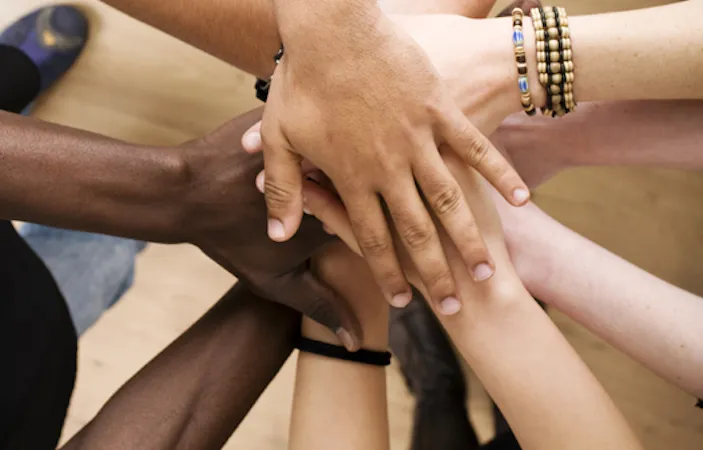
In today’s rapidly changing world, the importance of social development in promoting equality and human rights cannot be overstated. Society is continuously evolving, and with it, our understanding of the fundamental principles that underpin a just and fair society. Social development plays a crucial role in shaping these principles and transforming them into effective policies and practices that promote equality and protect human rights for all individuals.
One of the key ways in which social development promotes equality and human rights is by fostering inclusivity and ensuring equal opportunities. In a society that values social development, individuals, regardless of their race, gender, age, or socioeconomic background, have equal access to quality education, healthcare, and employment opportunities. Such inclusive policies not only level the playing field but also empower individuals to exercise their rights and contribute fully to their communities.
Moreover, social development acts as a catalyst for social change and progress. It invigorates societies to challenge discriminatory practices, attitudes, and norms that perpetuate inequality and violate human rights. By raising awareness, fostering dialogue, and advocating for change, social development drives shifts in societal attitudes and promotes values of tolerance, acceptance, and respect. This, in turn, leads to the eradication of systemic discrimination and creates a more equitable and just society for all.
Furthermore, social development supports the legal framework that ensures the protection of human rights. Without social development, the implementation and enforcement of laws and policies would be inadequate in safeguarding the rights of individuals. Social development provides the necessary groundwork for establishing institutions, processes, and mechanisms to protect and promote human rights effectively. It encourages the formation of independent human rights organizations, enhances legal literacy, and supports the enforcement of legal remedies. Overall, social development complements legal frameworks and strengthens their impact on ensuring equality and human rights.
In addition, social development is indispensable for addressing and mitigating the root causes of inequality and human rights violations. It focuses on addressing the structural factors that perpetuate discrimination and marginalization in society. By tackling issues such as poverty, social exclusion, and unequal power relations, social development aims to eliminate the structural barriers that impede individuals from enjoying their rights fully. It recognizes that economic development alone is insufficient and that social progress must go hand in hand with economic growth to achieve sustainable equality and respect for human rights.
Ultimately, social development empowers individuals and communities to actively participate in decision-making processes and exercise their rights. It ensures that no one is left behind and strives to uplift marginalized groups, including women, ethnic minorities, persons with disabilities, and indigenous peoples. By promoting inclusive governance structures, fostering civic engagement, and strengthening civil society, social development creates avenues for individuals to express their needs, concerns, and aspirations, and actively shape the policies that impact their lives.
In conclusion, the role of social development in promoting equality and human rights cannot be overemphasized. It acts as a catalyst for societal change, fosters inclusivity, and ensures equal opportunities for all. By addressing the root causes of inequality and human rights violations and supporting the legal framework, social development paves the way for a more equitable and just society. It is through social development that individuals can exercise their rights, participate in decision-making, and collectively strive for a more equal and humane world.
Pagel Mutize – Student of social work currently working with TECa Manica.
