
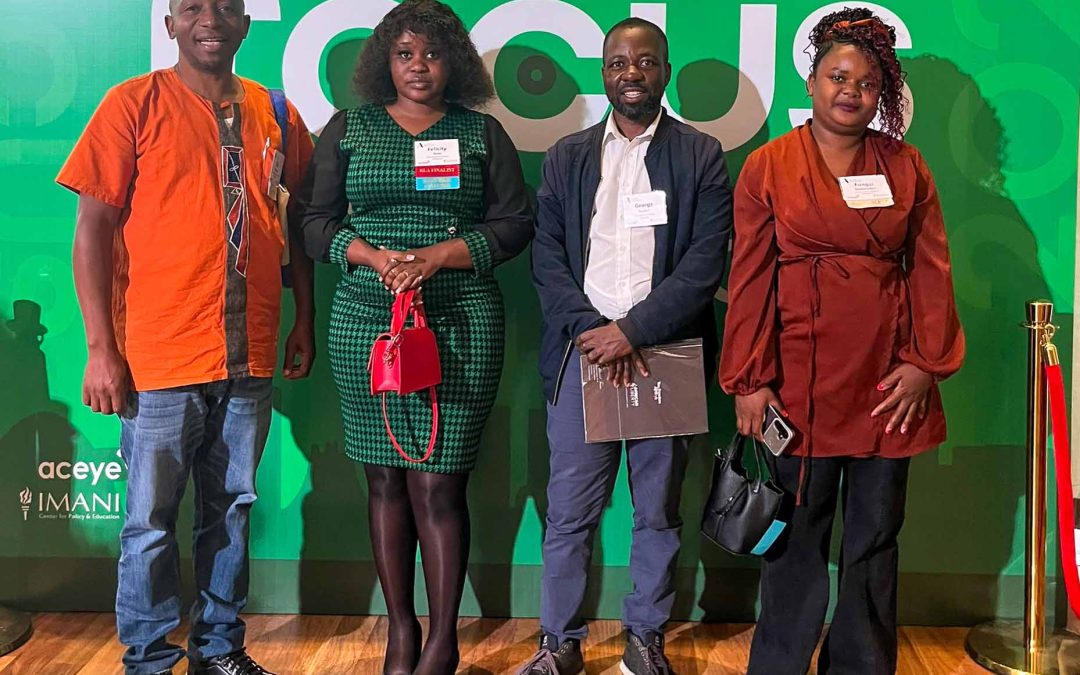
Africa is roaring with hope. From July 26th, classical libertarians converged in Accra, Ghana, for the Africa Liberty Forum (ALF) — a week-long gathering of free-market think-tanks, scholars, and activists determined to chart a freer future for the continent. Organised annually by the Atlas Network, ALF is part of a global movement to amplify liberty and restrain the omnipresence of government in everyday life. The 2026 edition was the largest yet, drawing leaders from Morocco to South Africa, Kenya to Ghana.
This meeting came at a critical moment. Africa’s 1.3 billion people face rising populism, illiberalism, and the paradox of economic growth without liberty. GDP numbers rise as mines and gas fields open, yet ordinary citizens see little improvement in happiness or freedom. At the heart of this paradox lie two corrosive forces: illiberal governance and fatal migration.
Governments increasingly rely on force to secure power, undermining property rights and eroding trust in institutions. Populism and extremism threaten to make the gun mightier than the vote. In South Africa, vigilantism rooted in race and ethnicity jeopardises property rights. Across the continent, centralist policies, higher taxes, and mounting debt suffocate private enterprise. As Milton Friedman warned, when government controls the economy, resources are wasted, liberty is lost, and citizens are reduced to subjects of welfare states rather than free participants in society.
The downstream effects are devastating: collapsing service delivery, rising poverty, and forced migration. Africa’s brightest minds — scholars, entrepreneurs, and innovators — flee despotic regimes in search of freedom abroad. This “fatal migration” drains talent from source communities, deepening socio-economic anguish.
The solution is clear: Africa must anchor its policies in liberty and the rule of law. Liberty empowers citizens to innovate and prosper; rule of law ensures fairness, accountability, and protection of rights. Together, they diminish the push factors of migration and transform economic growth into genuine human flourishing. Without them, extractive corporations and corrupt elites thrive while ordinary citizens suffer.
Encouragingly, sparks of reform are visible. Zimbabwe, despite setbacks, is easing the cost of doing business and reforming taxation. The Democratic Republic of Congo is pursuing investment-friendly reforms despite instability. These examples show that even within illiberal contexts, the torch of liberty can glow.
The lesson for ALF is simple: Africa’s greatness depends not only on growth but on embedding liberty and rule of law into governance. Fatal migration will not be solved by Europe’s border patrols but by Africa’s own commitment to freedom. A prosperous, free Africa will encourage progressive migration — for education, tourism, and exchange — while attracting global visitors to its safe and predictable societies.
The 2026 ALF tackled themes of leadership, institution-building, persuasion in the digital age, and free movement of people and trade. These discussions revealed a new consensus: liberty must be the multiplier of growth and happiness. Networks like the George Ayittey Society, regional think-tanks, and the African Liberty Directors’ Forum are stepping up to push these ideas into public space and policy corridors, including the African Union and other regional blocs.
As Africa prepares for Tanzania in 2027, the call must be loud and clear: limited government, liberty, and rule of law are the keys to Africa’s renaissance. Even those in government must imagine the freedom and happiness that come with these principles.
Keep the promise. See you in Tanganyika, the first country!
By Itai Zimunya, TECA, Zimbabwe.