
Zimbabwe Economic Competitiveness Conference 2025
Unleashing Zimbabwe: The Roadmap to an $86bn Economy by 2030
Zimbabwe stands at a pivotal developmental crossroads. With a vision to transform into a prosperous and empowered Upper Middle-Income Society, the nation is pursuing a strategic economic expansion to reach a $86 billion GDP by the year 2030.
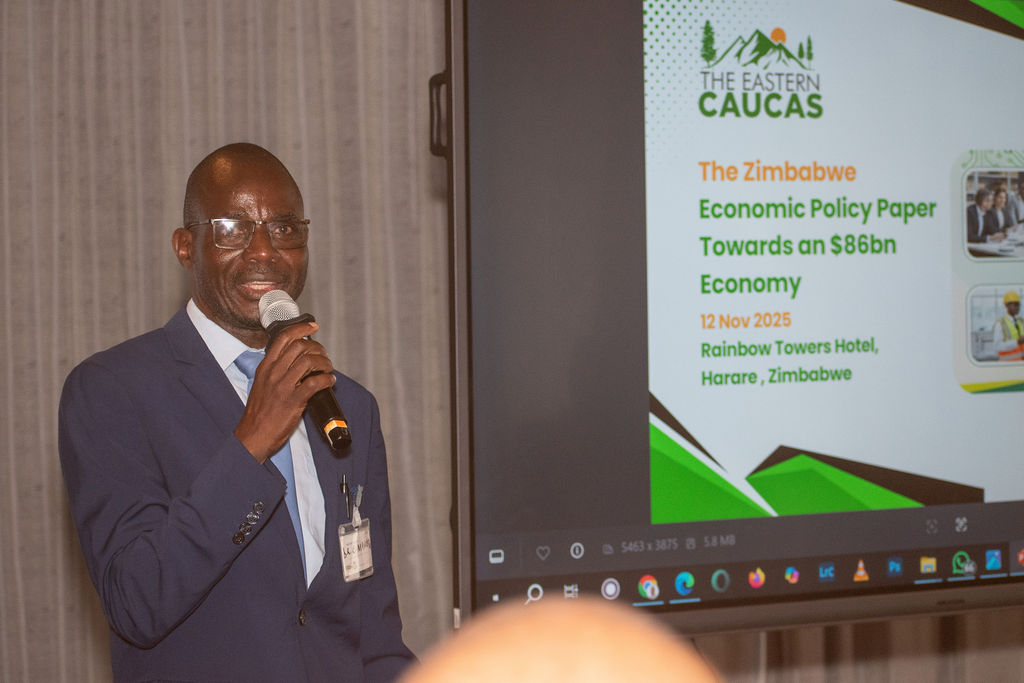
This page summarizes the outcomes of the Economic Competitiveness Conference 2025, hosted by The Eastern Caucus (TECa) at the Harare International Conference Centre (HICC).
The Vision
The primary objective is to move Zimbabwe from its 2024 GNI per capita of USD 2,060 to the World Bank’s upper-middle-income threshold.
The Math of Prosperity
To reach the target GNI per capita of USD 4,496 by 2030, the Zimbabwean economy requires a Compound Annual Growth Rate (CAGR) of 12.1%.
“Mathematically, a 12.1% annual growth rate is the ‘Prosperity Button’ that will bridge the gap between our current standing and our 2030 goals.” — Dr. Elisha Mavodyo
Strategic Pillars for Growth - The policy paper identifies four critical pillars required to "unleash" the economy:
I. Investment Mobilization
- Goal: Attract Foreign Direct Investment (FDI) and Public-Private Partnerships (PPPs).
- Action: Strengthening the Zimbabwe Investment and Development Agency (ZIDA) to lower the cost of doing business.
II. Formalization of the Informal Sector
- Goal: Transitioning SMEs into the formal economy.
- Action: Implementing the Cabinet-approved National Informal Sector Formalisation Strategy to expand the tax base and social protection.
III. Infrastructure & Energy
- Goal: Ensuring reliable power and efficient logistics.
- Action: Prioritizing green energy and grid stability to support industrialization.
IV. Climate Resilience
- Goal: Protecting the economy from environmental shocks.
- Action: Adopting drought-resistant agriculture and commodity price hedging.


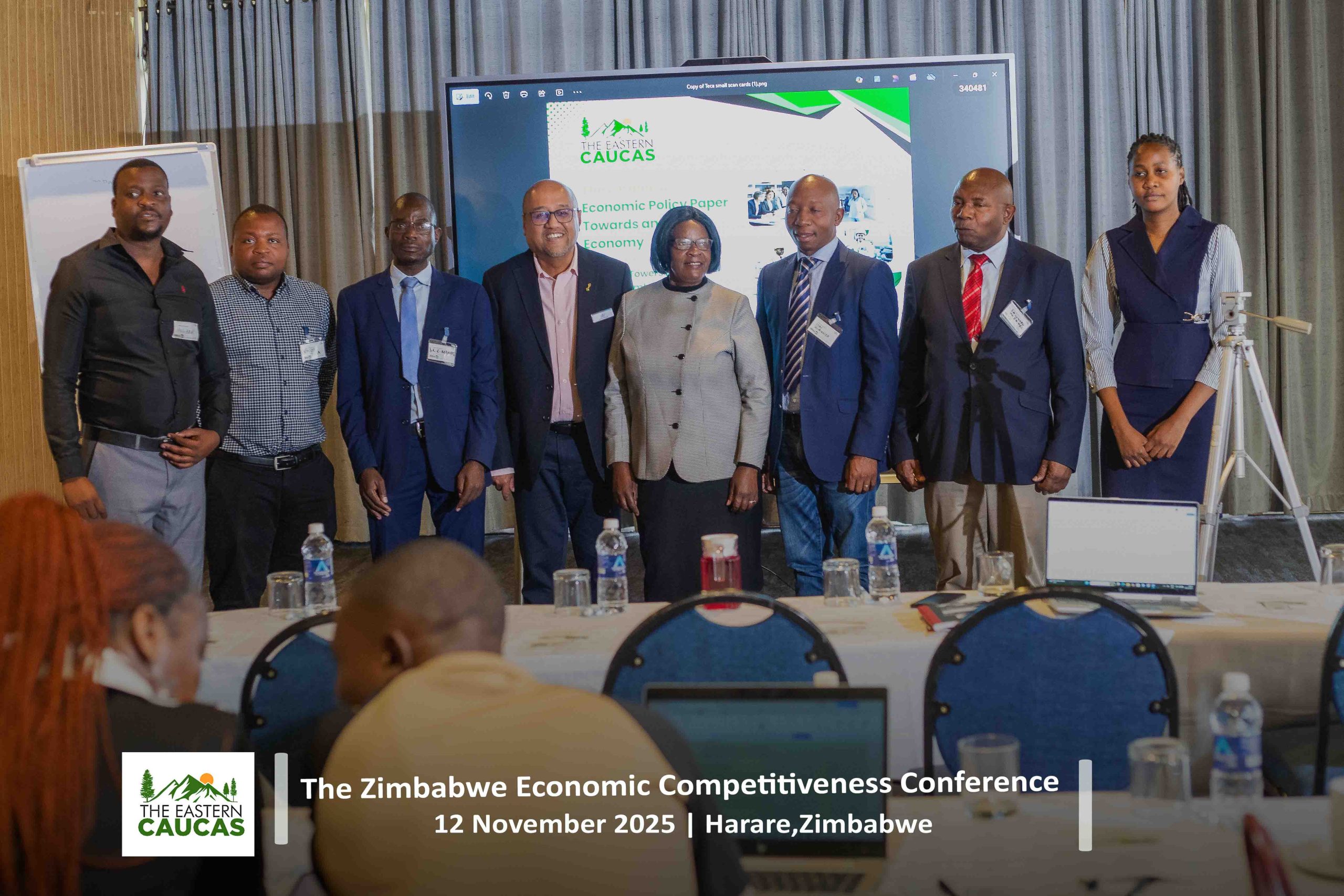
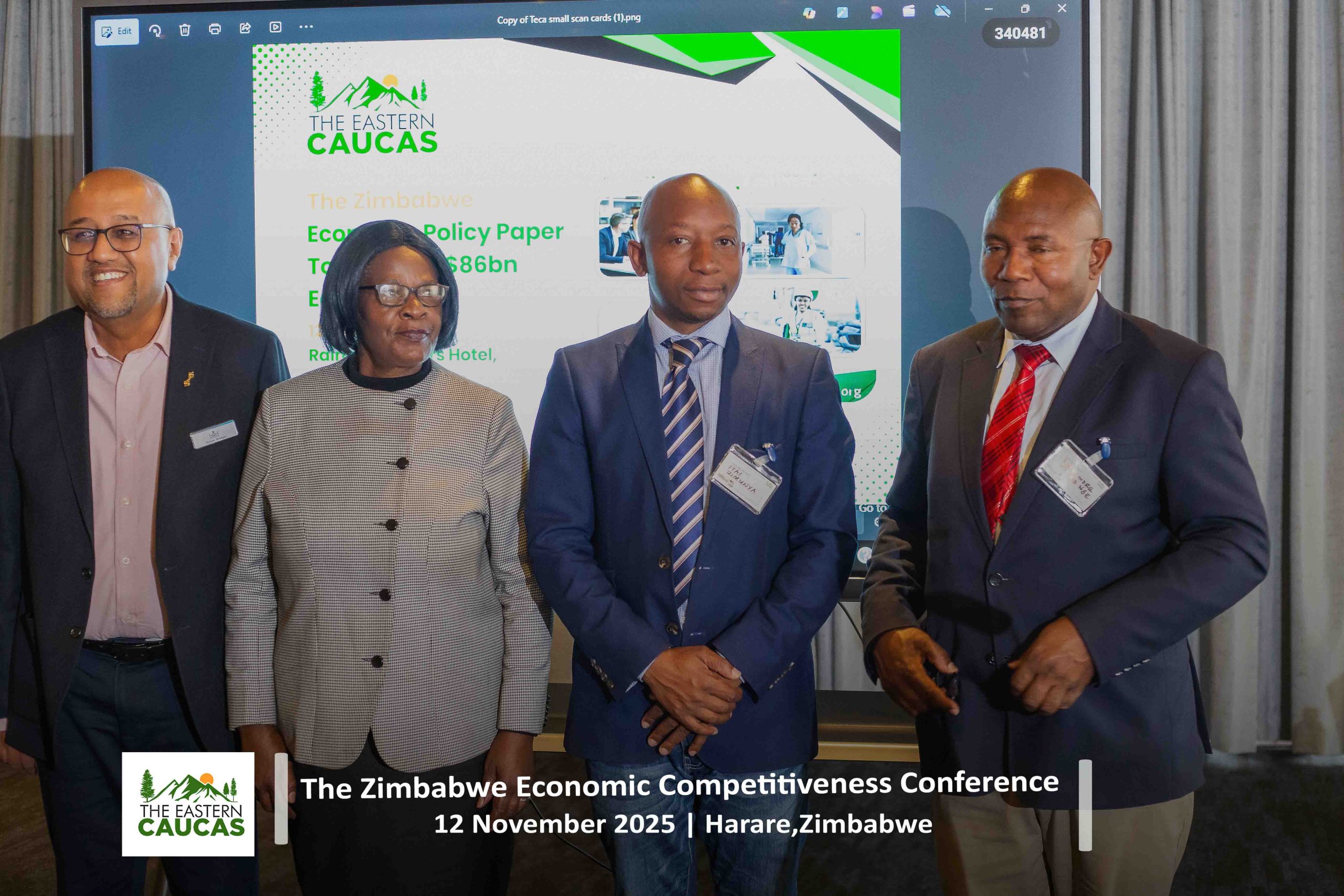
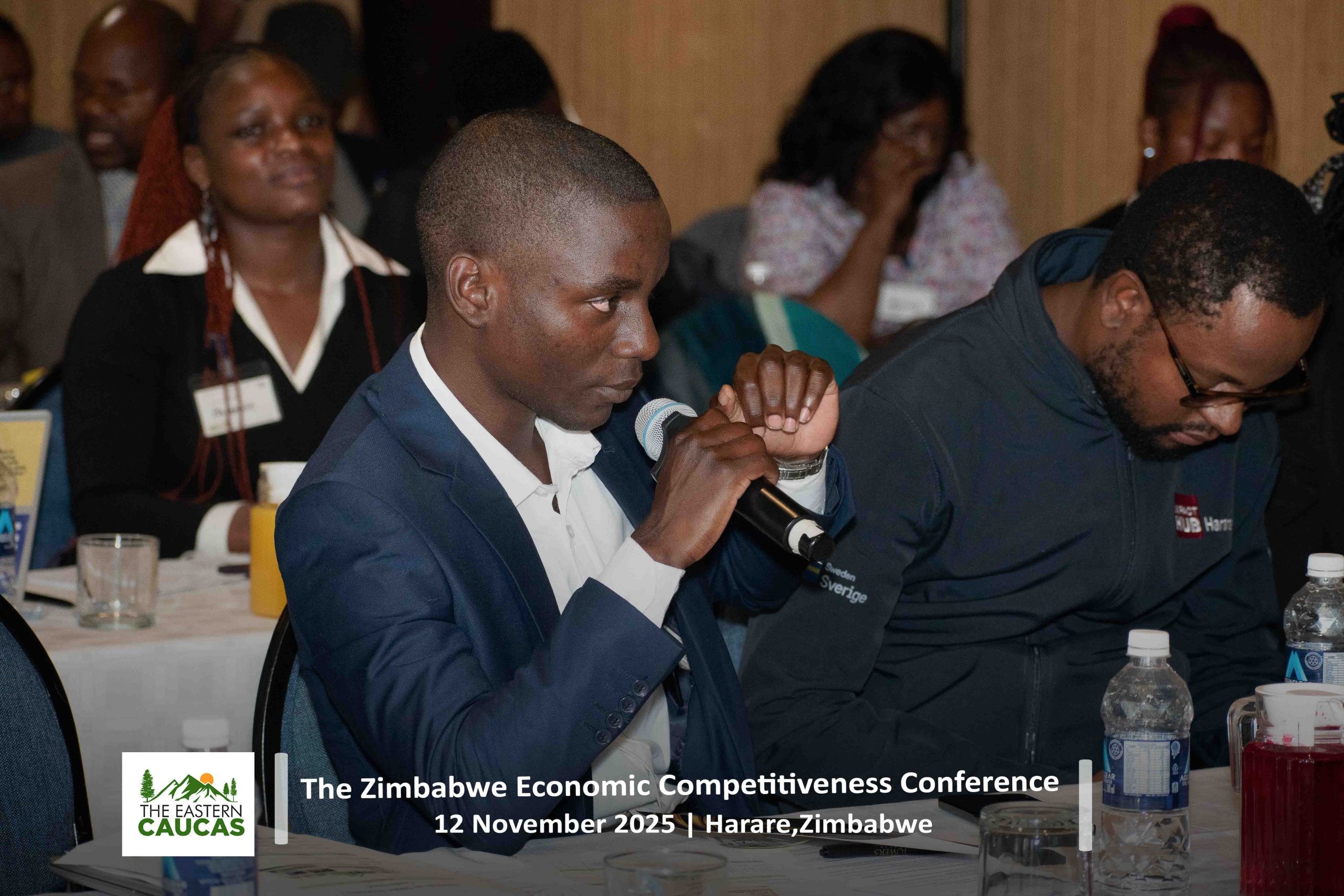
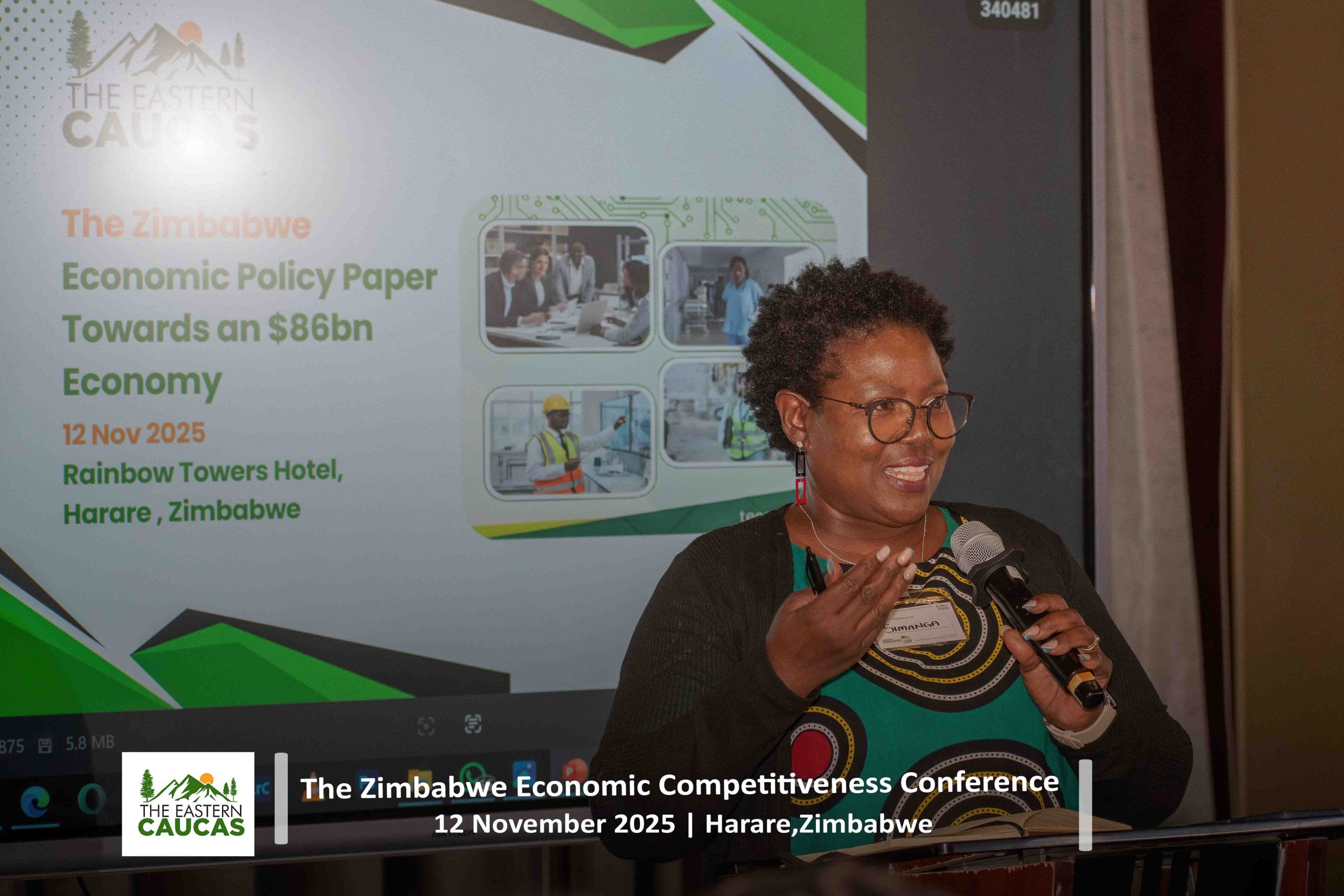

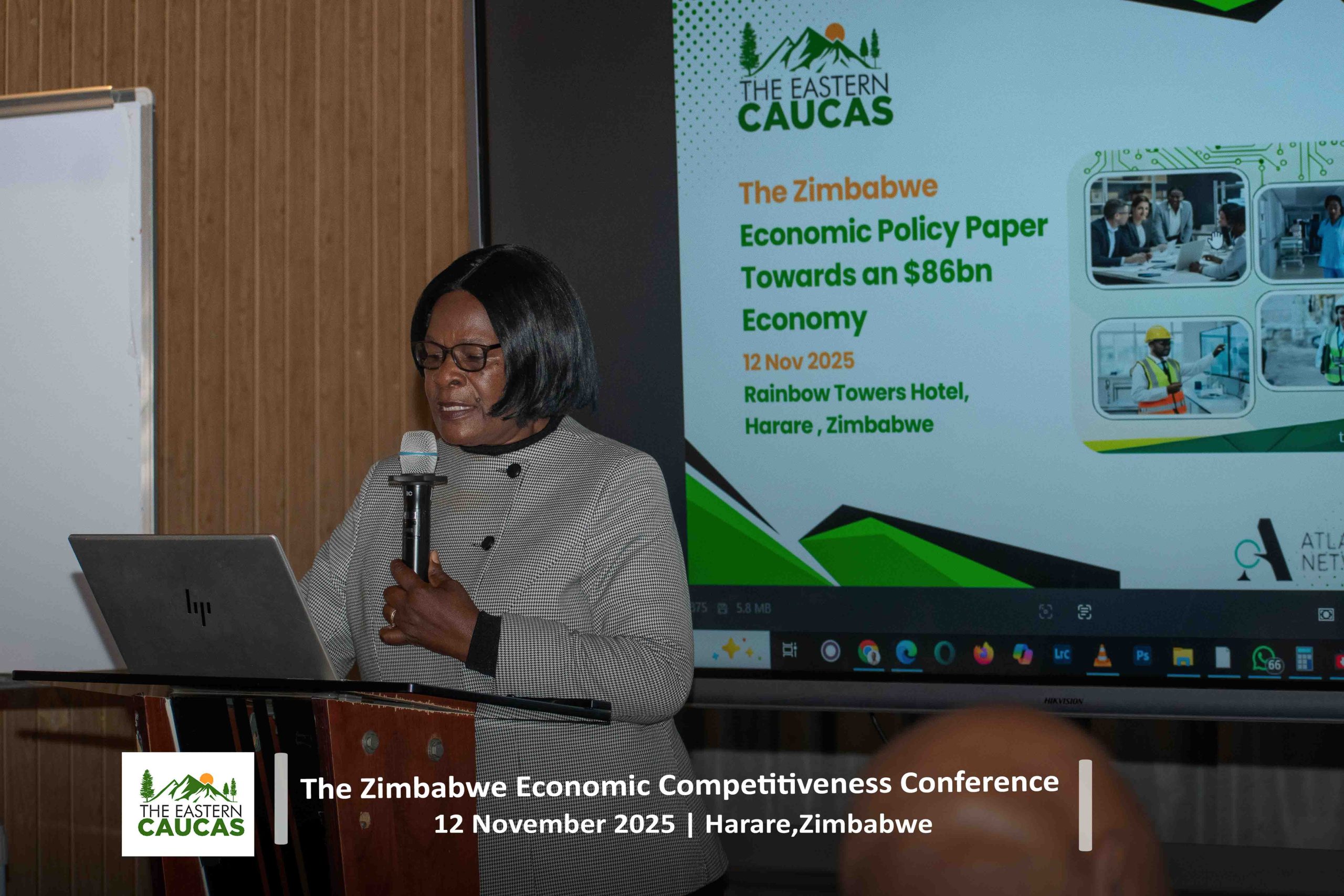
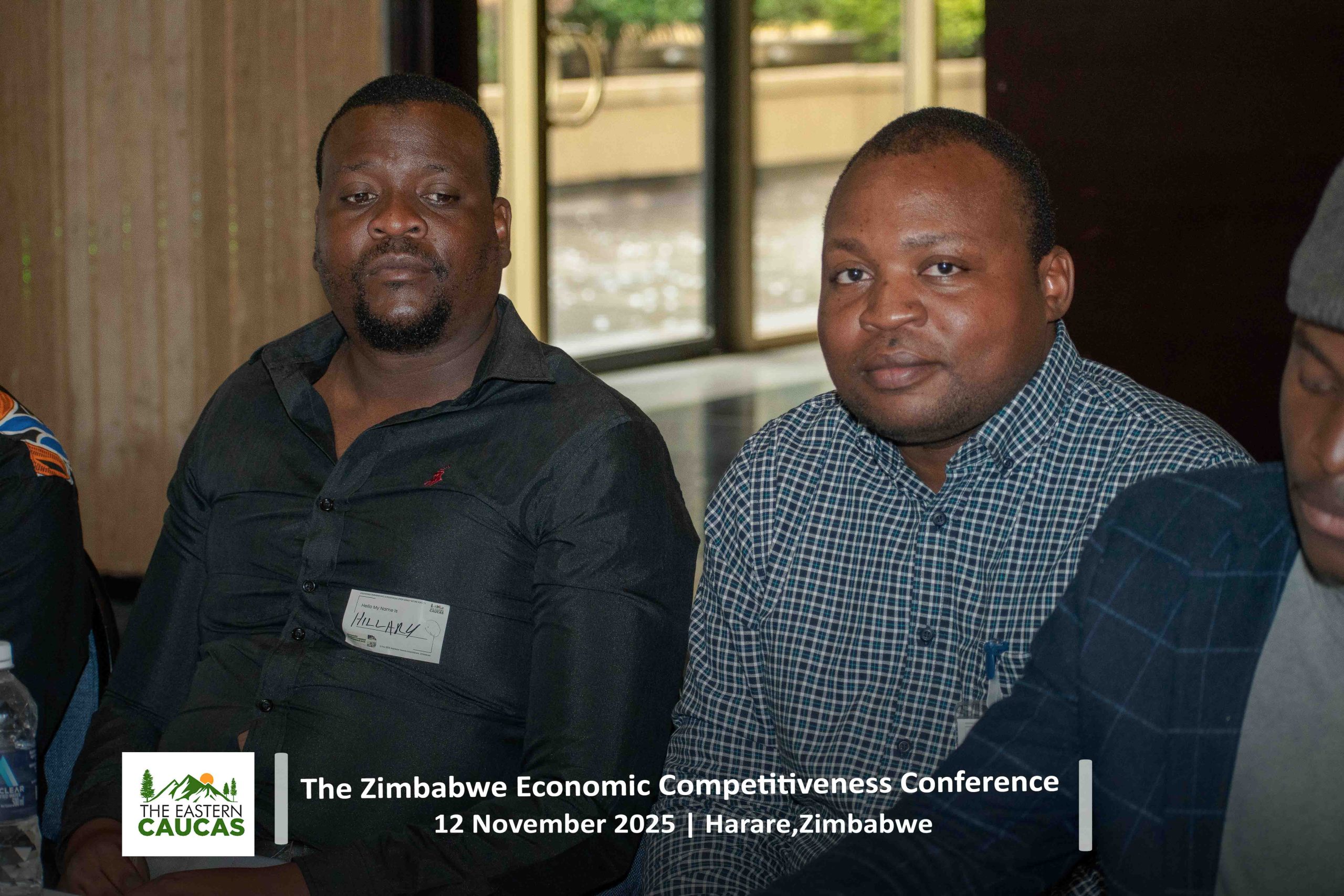
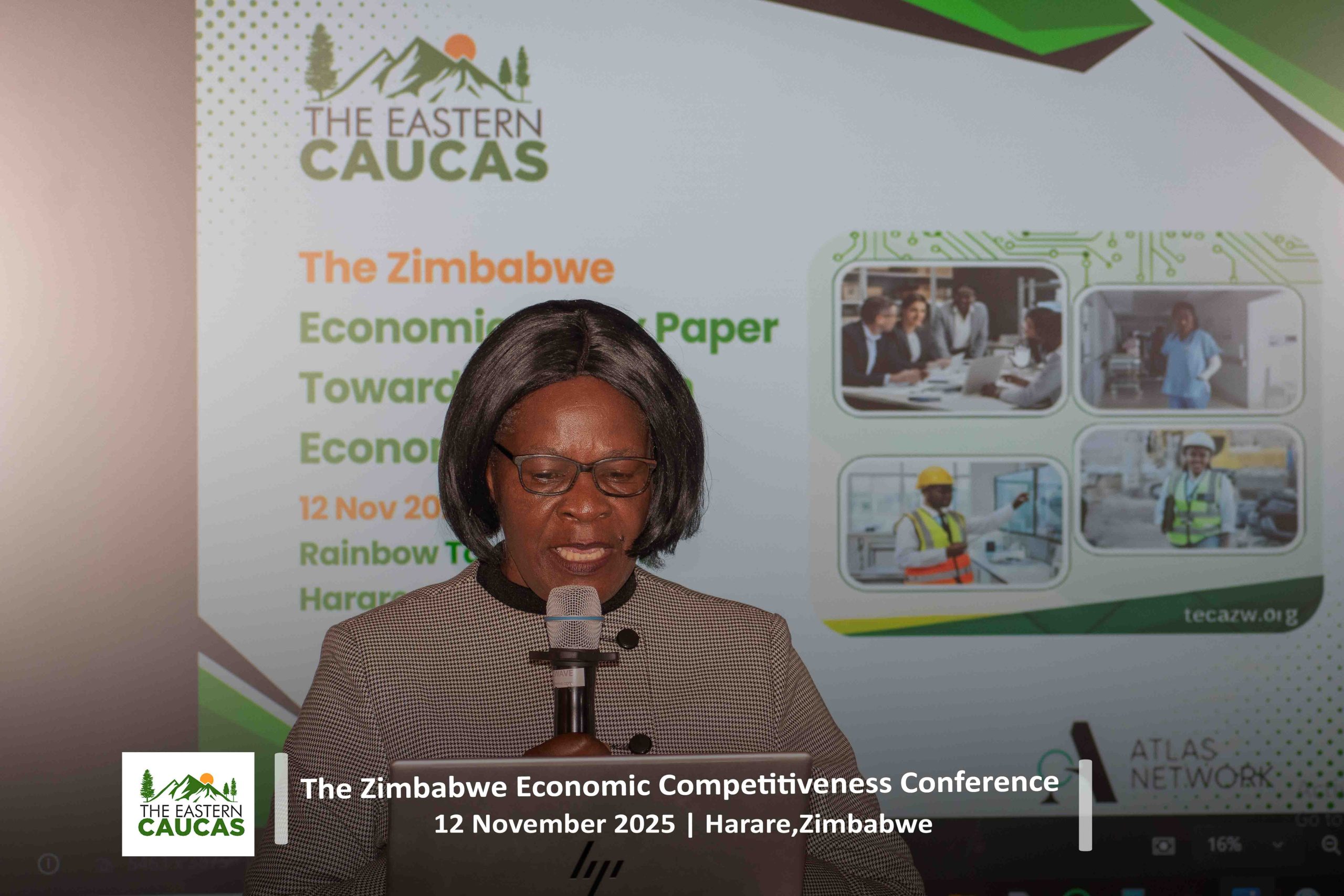
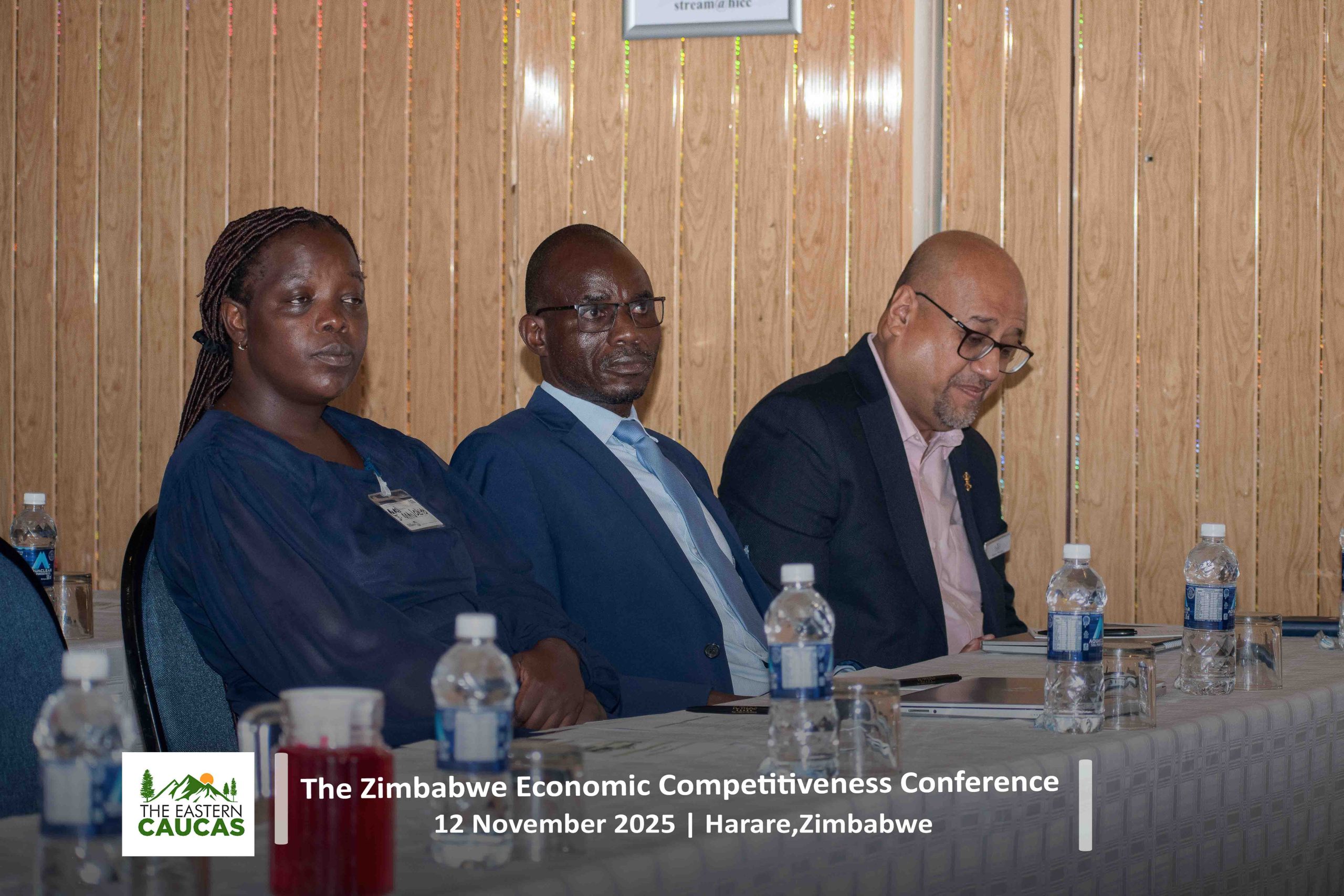

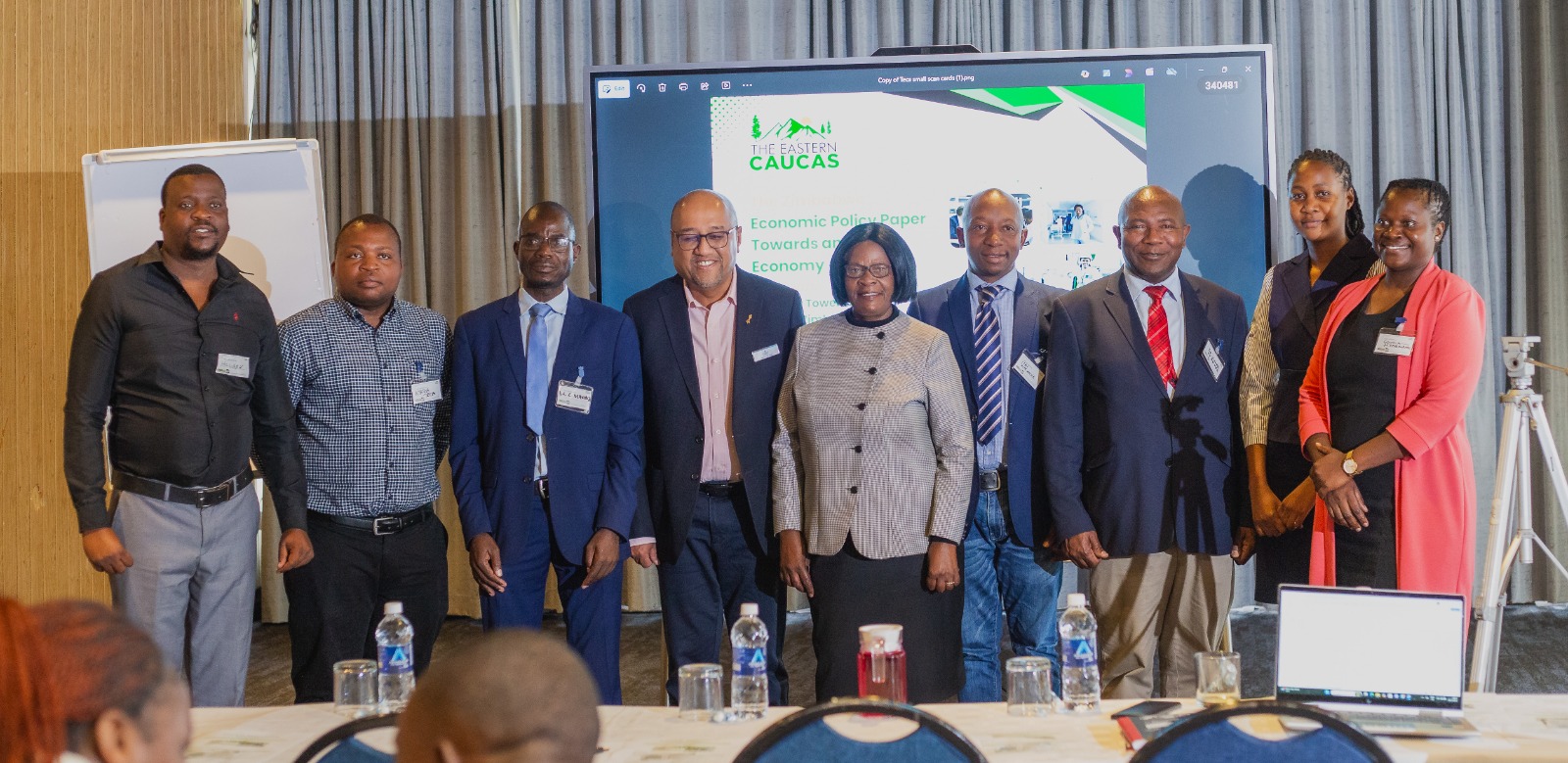


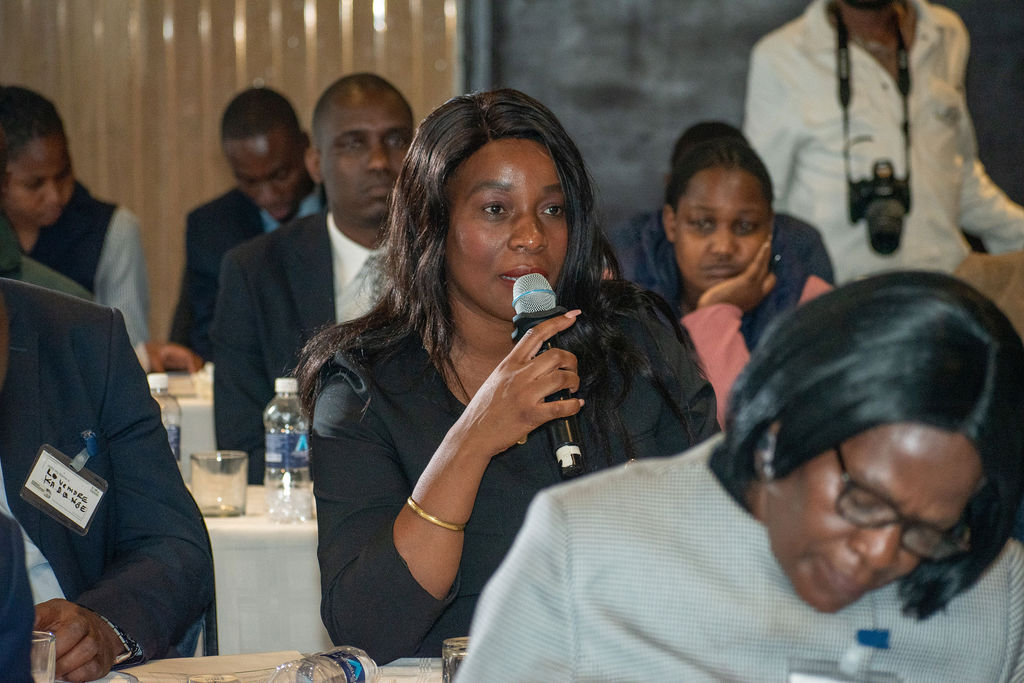
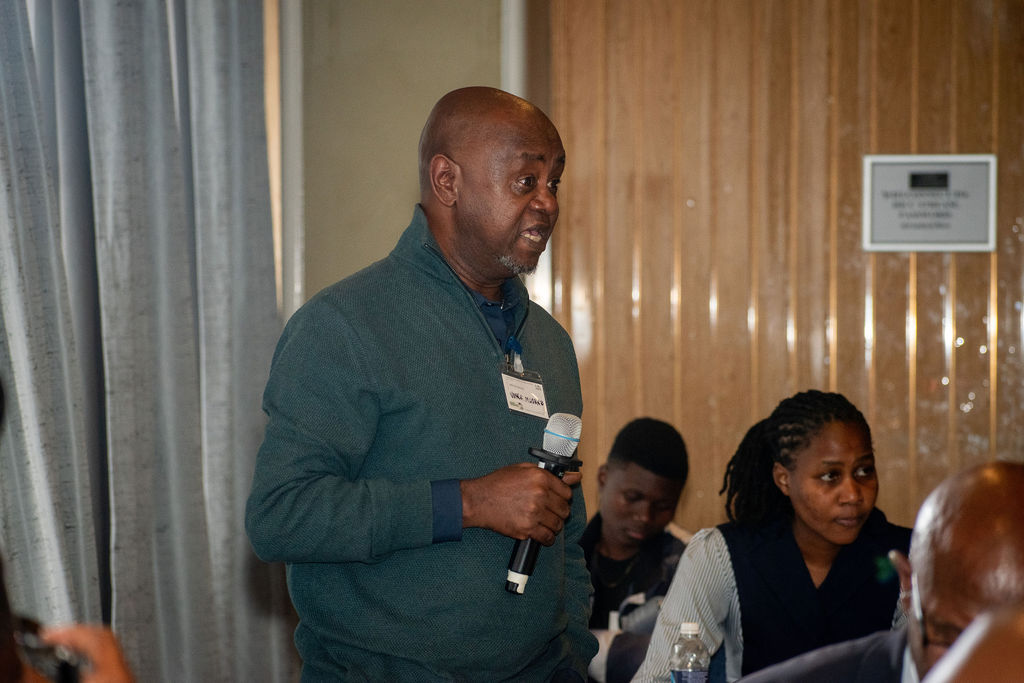


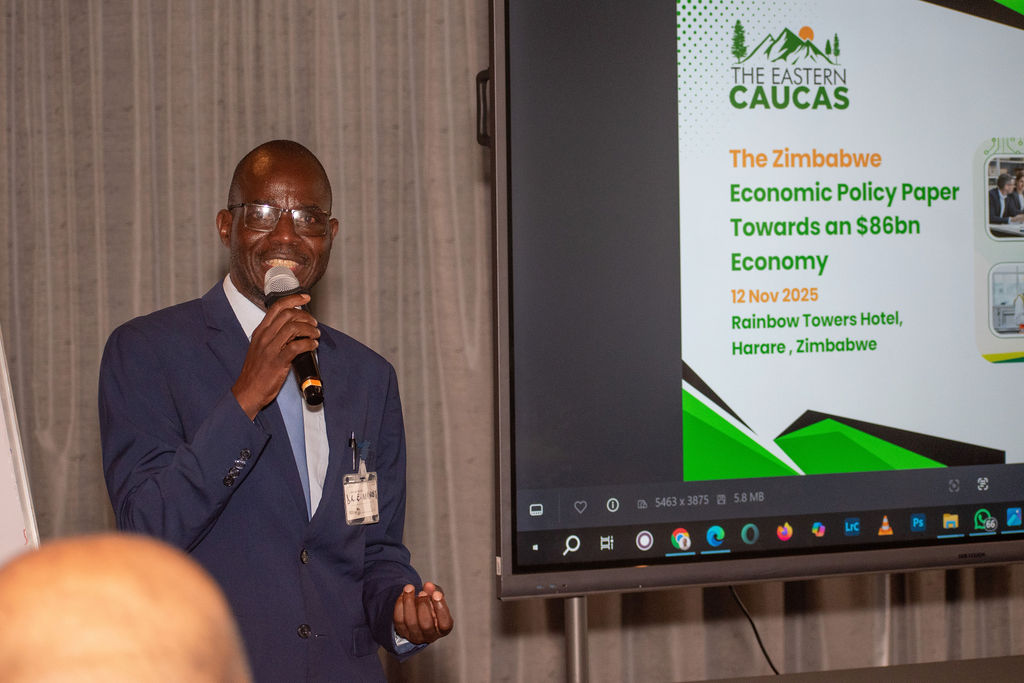


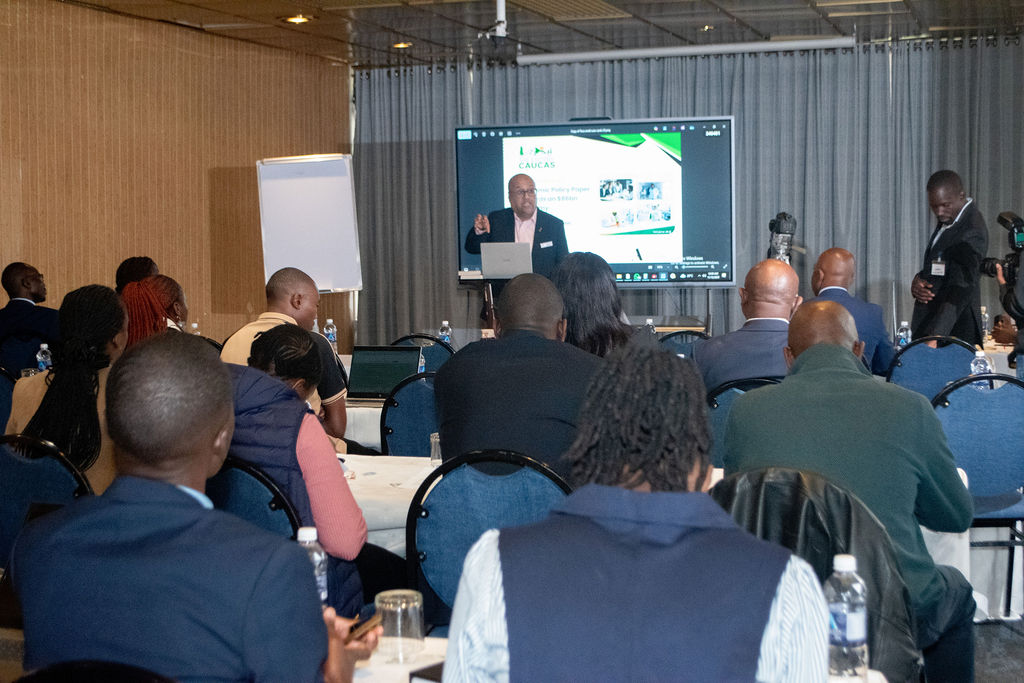

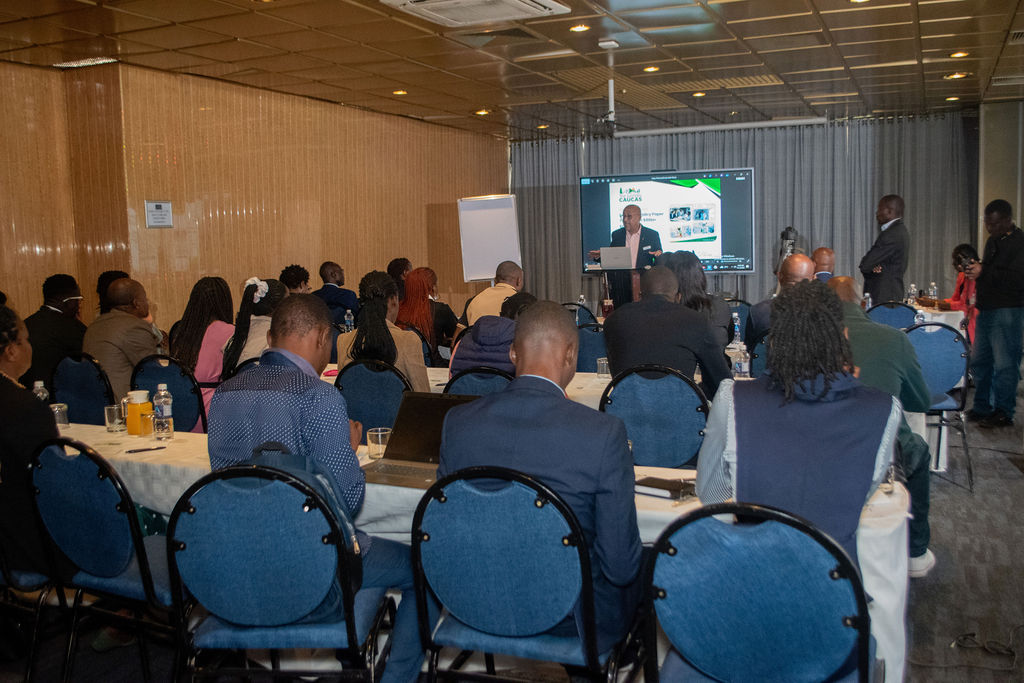


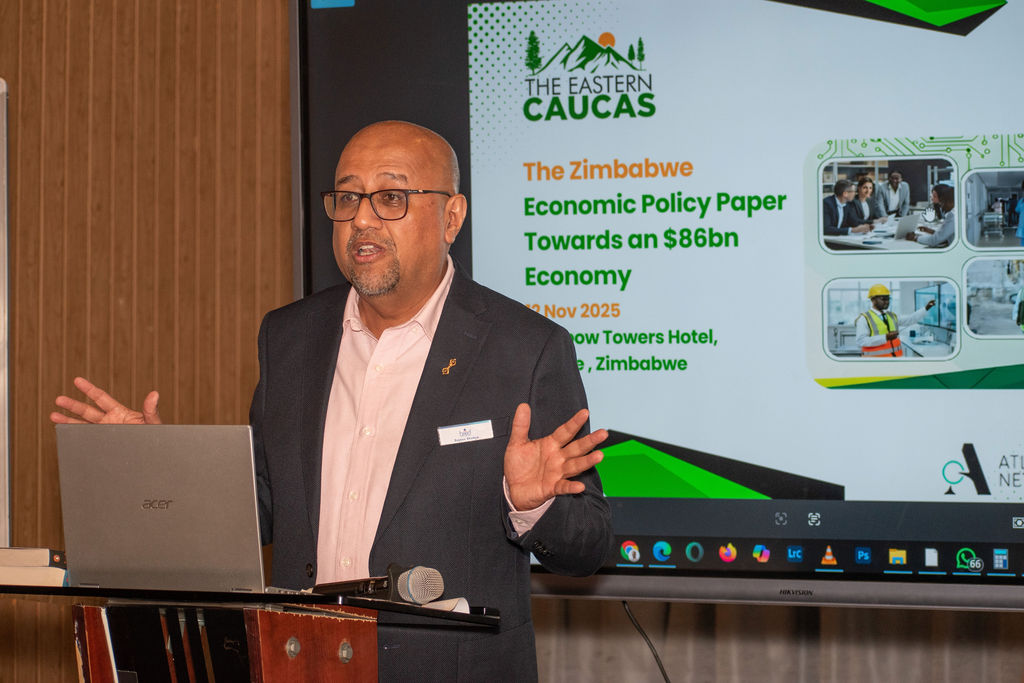



Conference Highlights
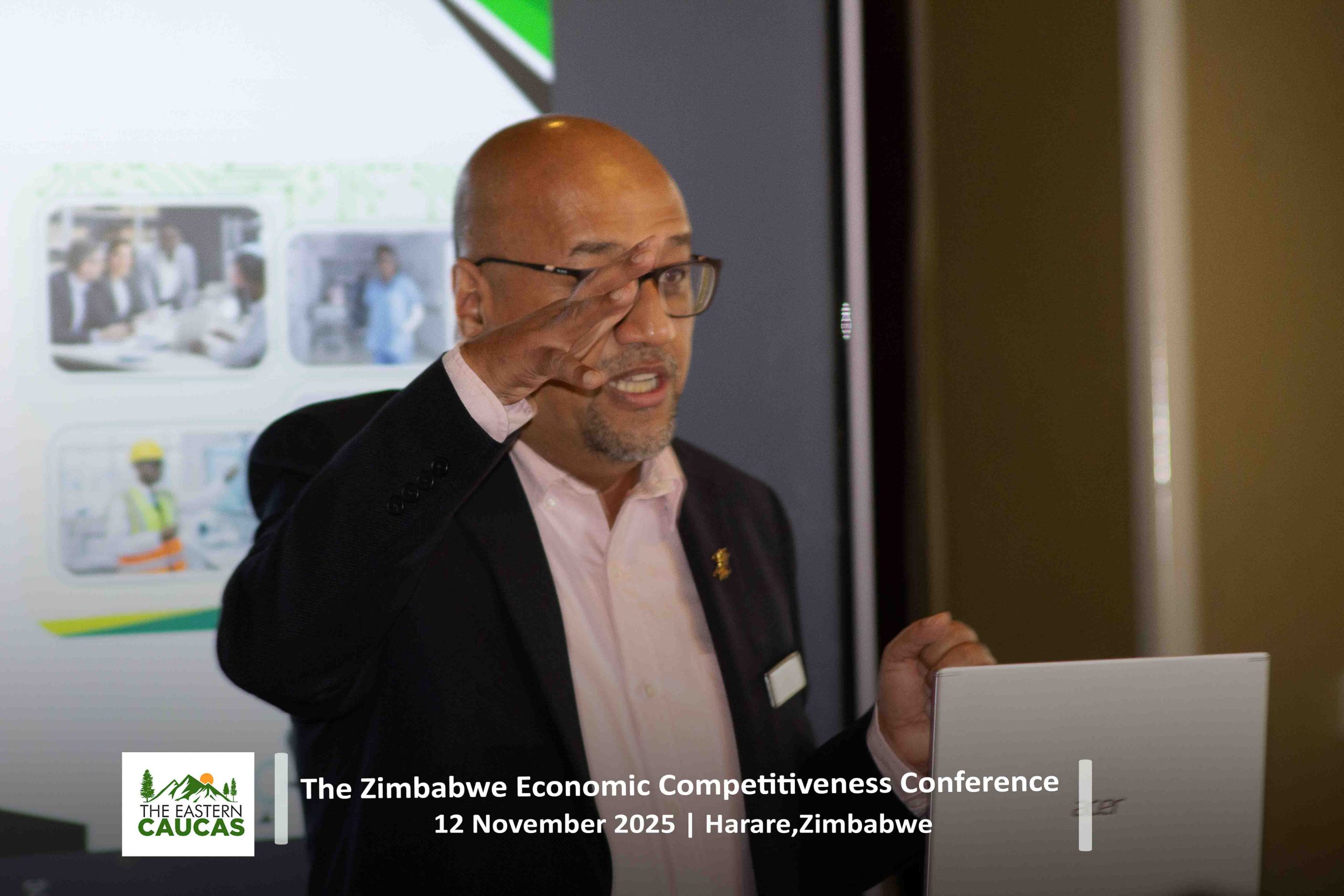
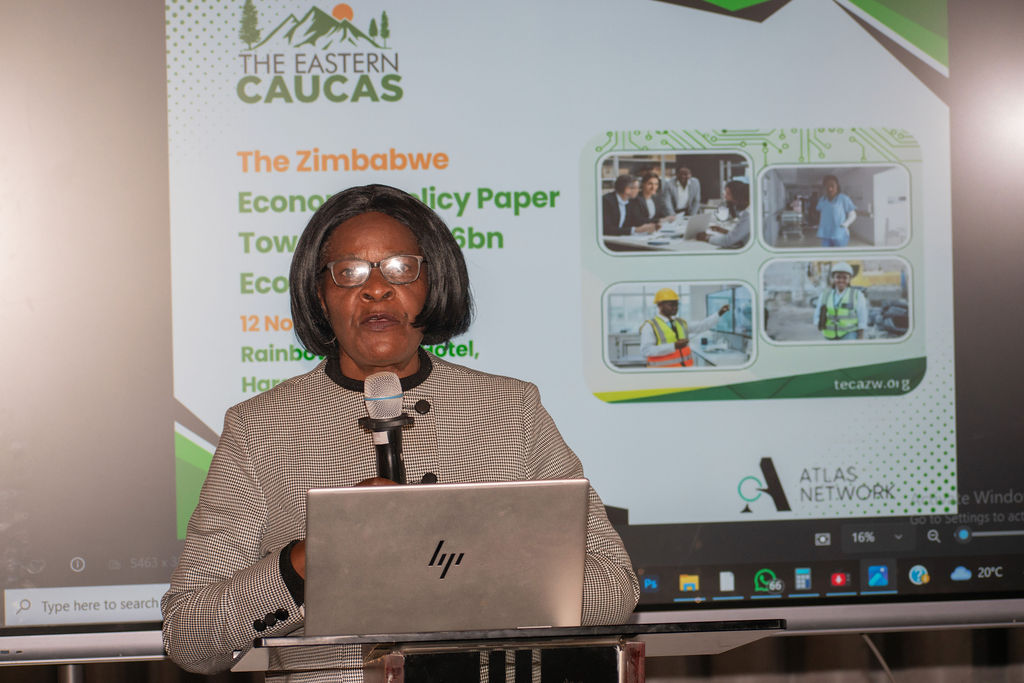
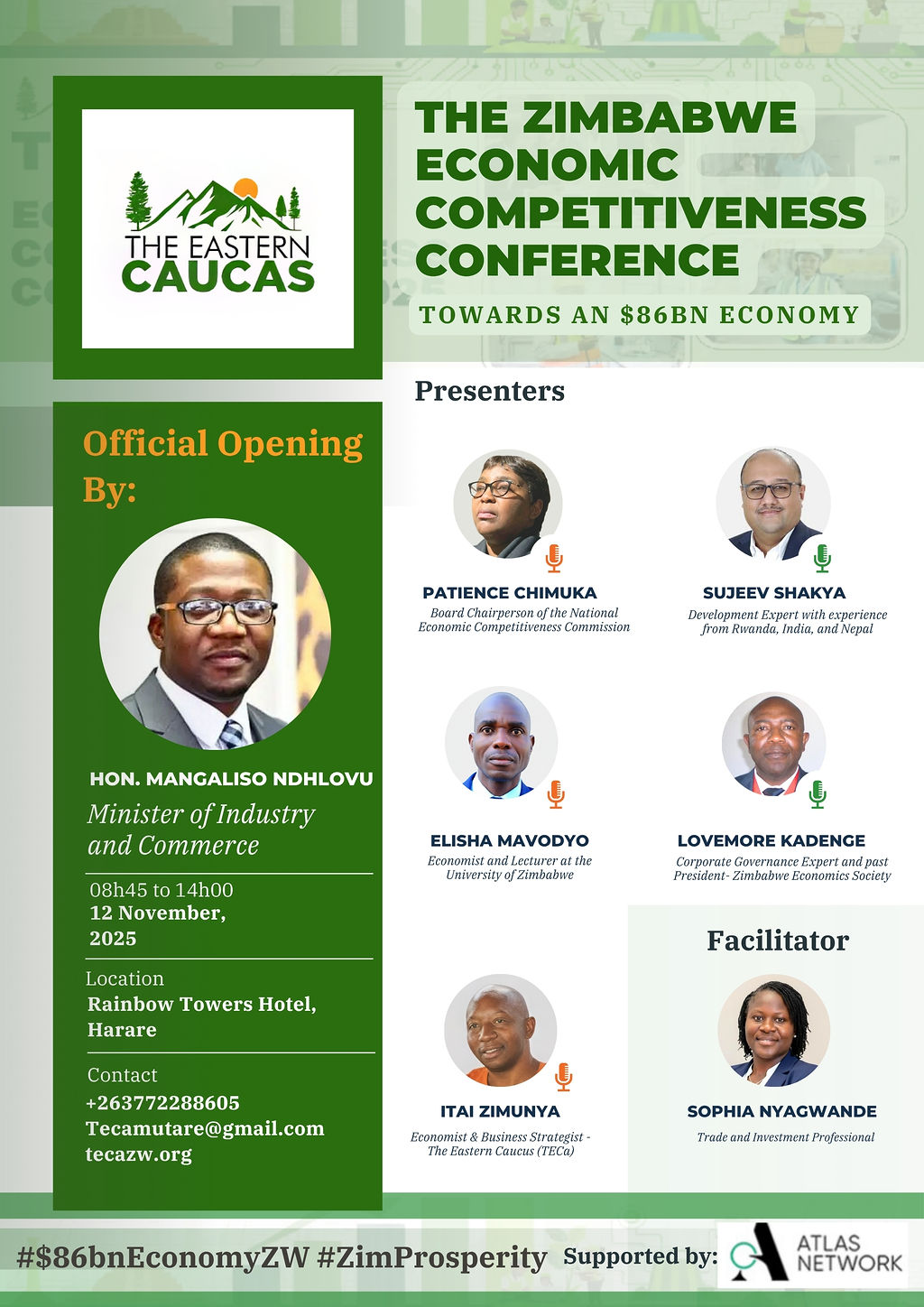
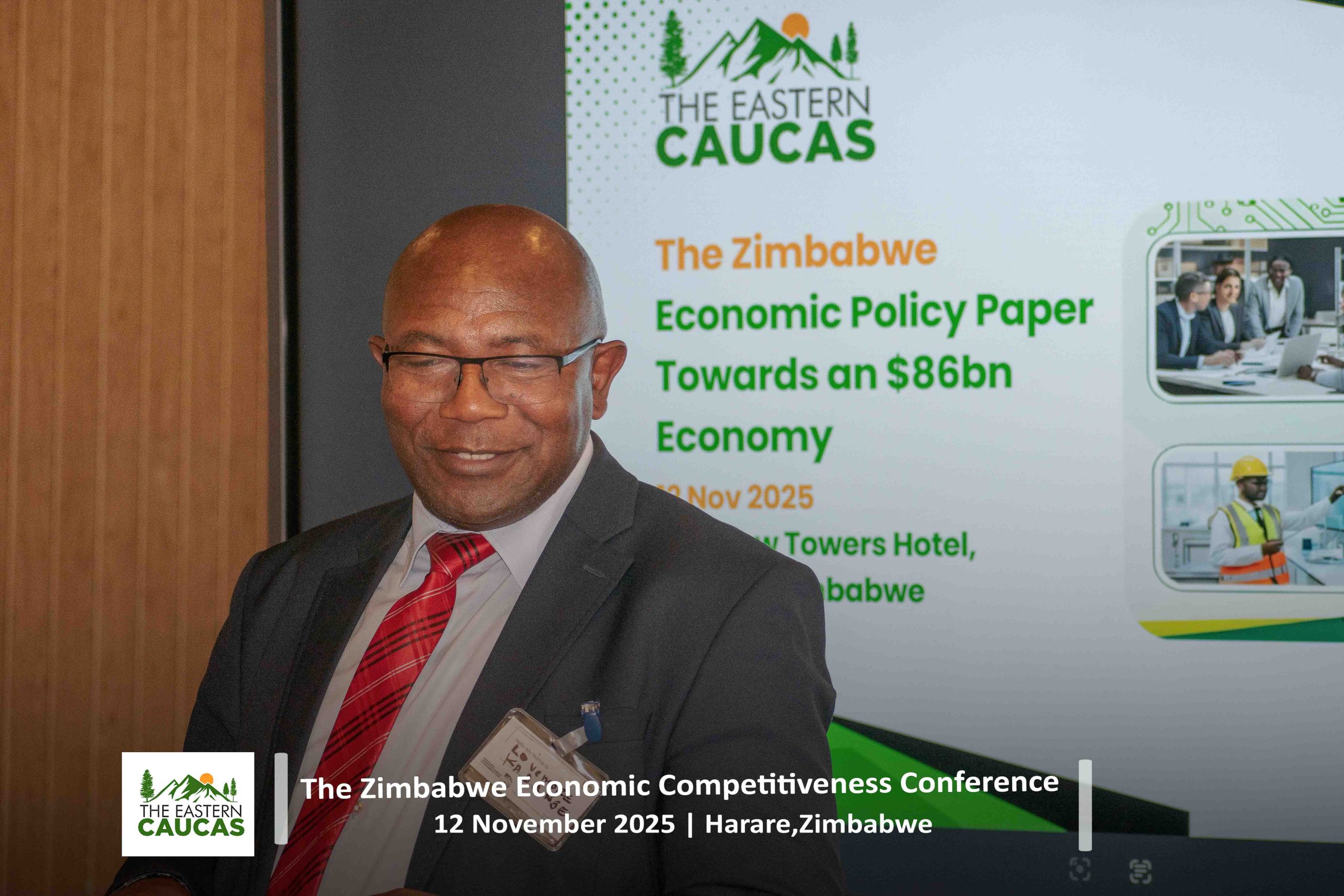
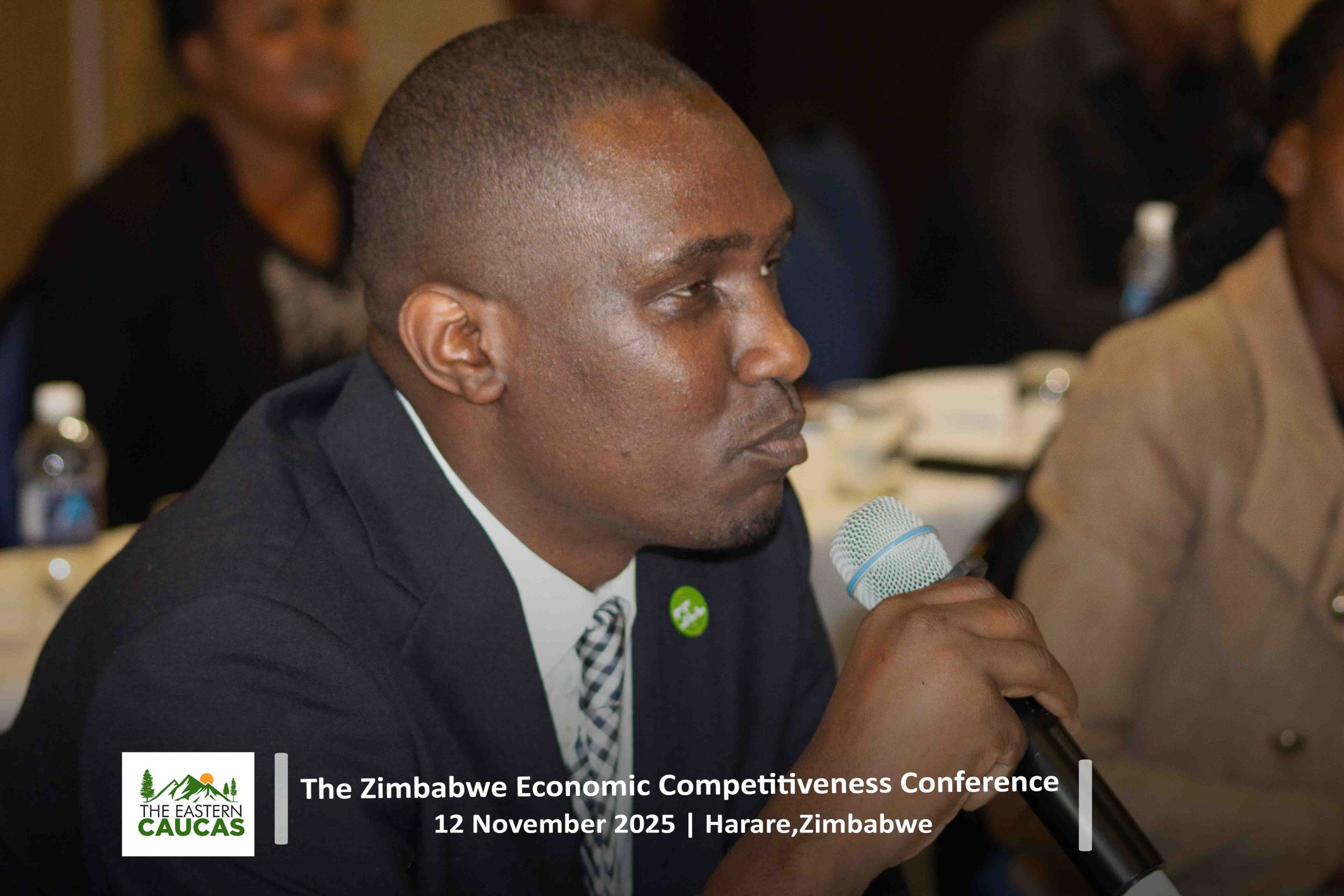
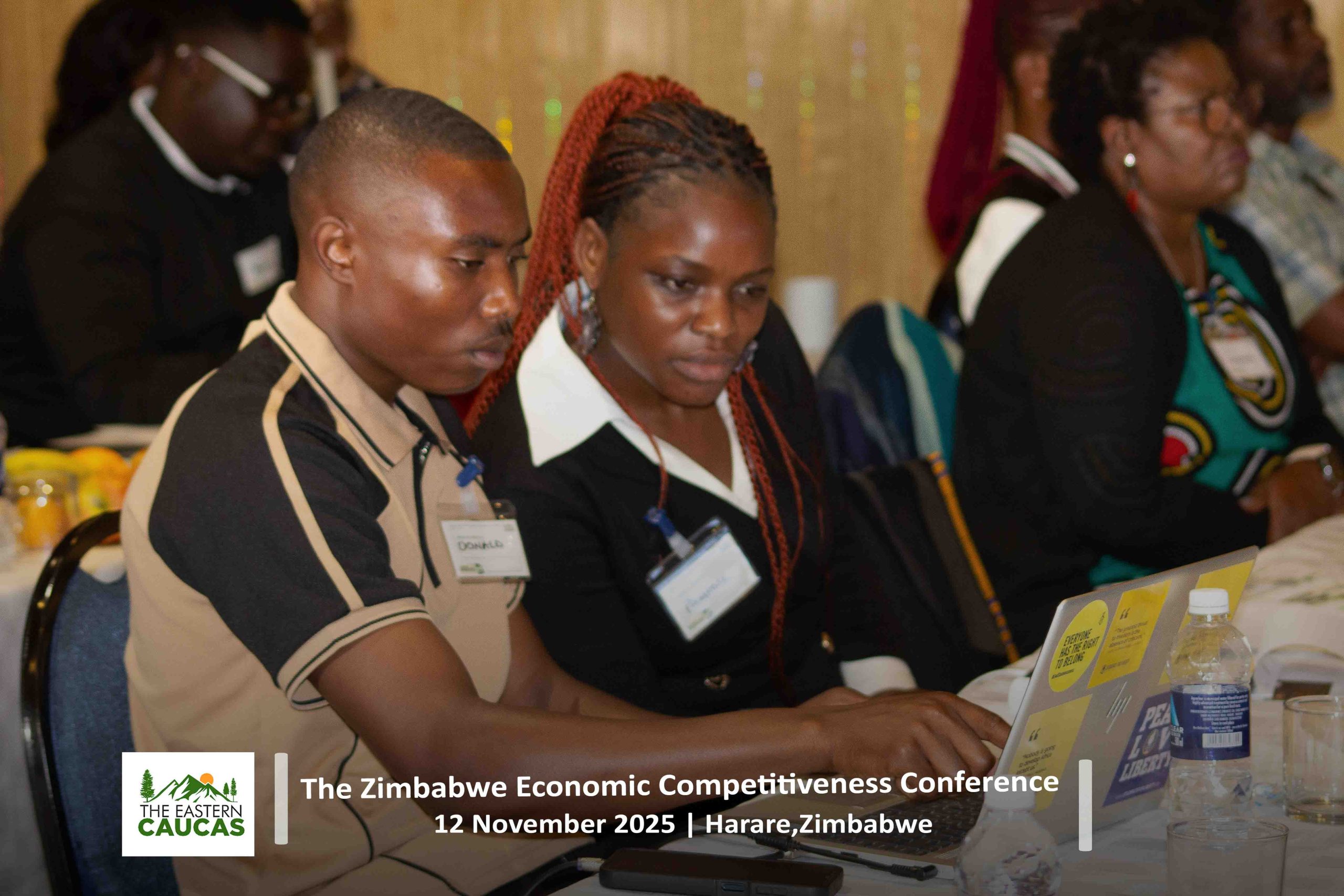
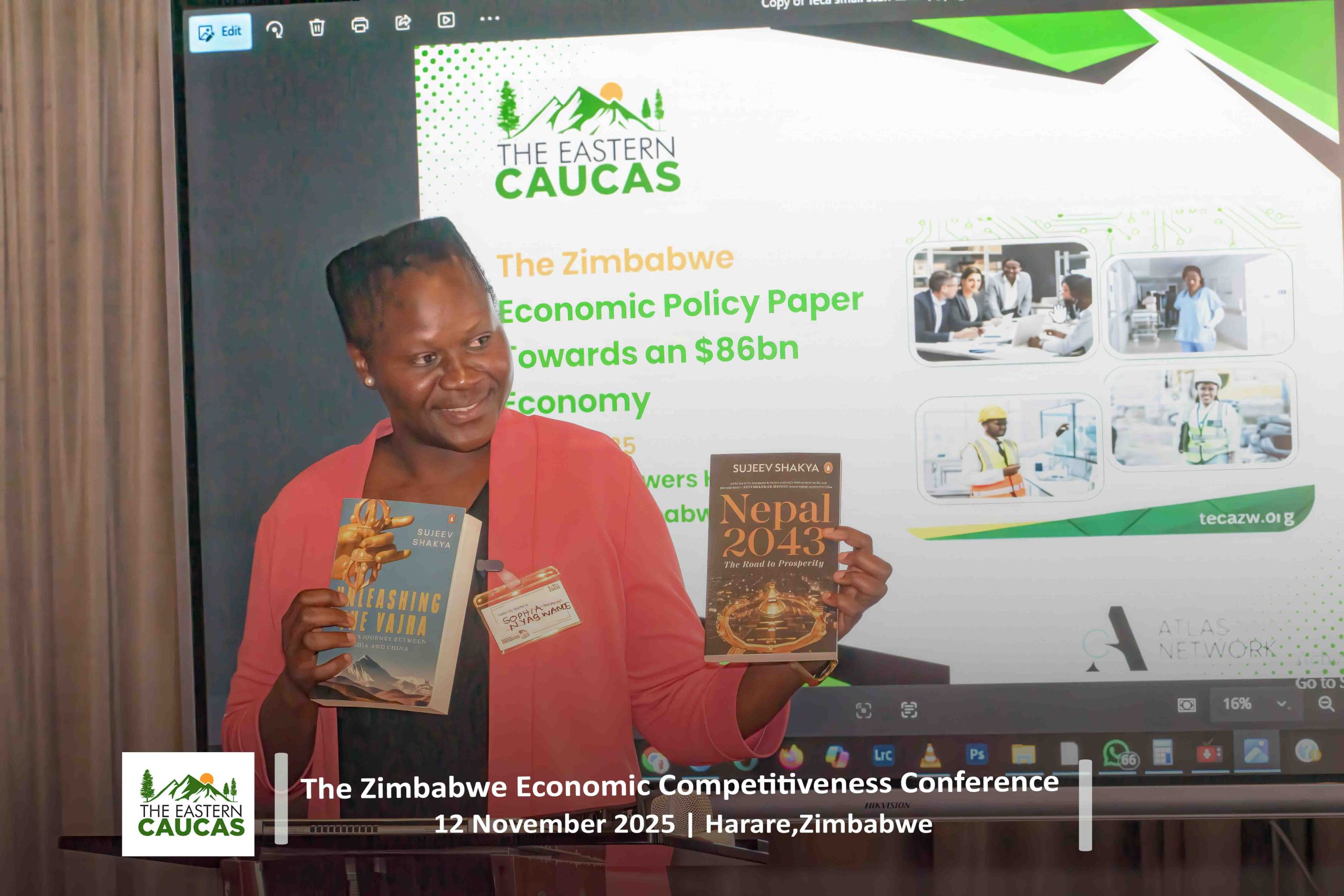
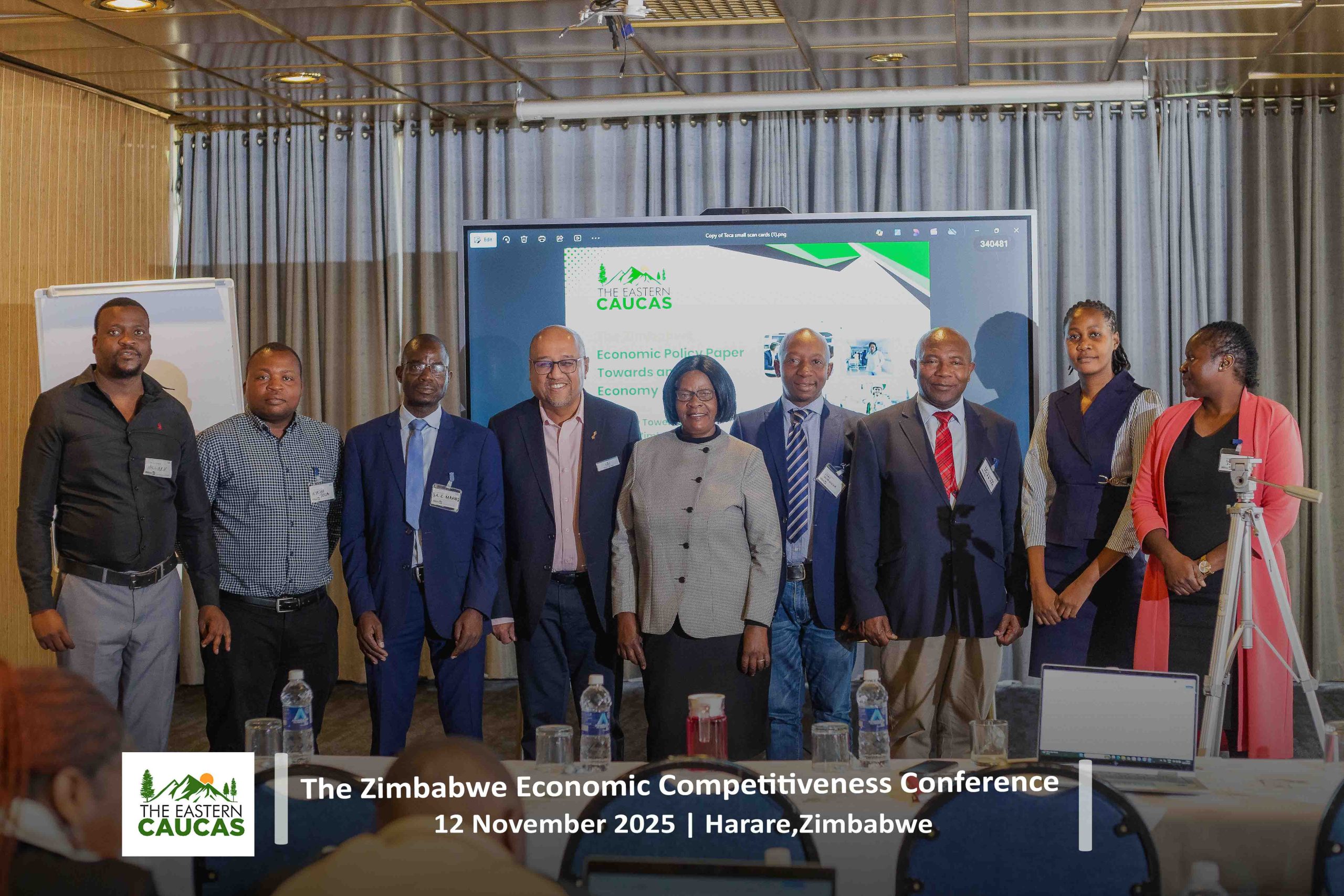
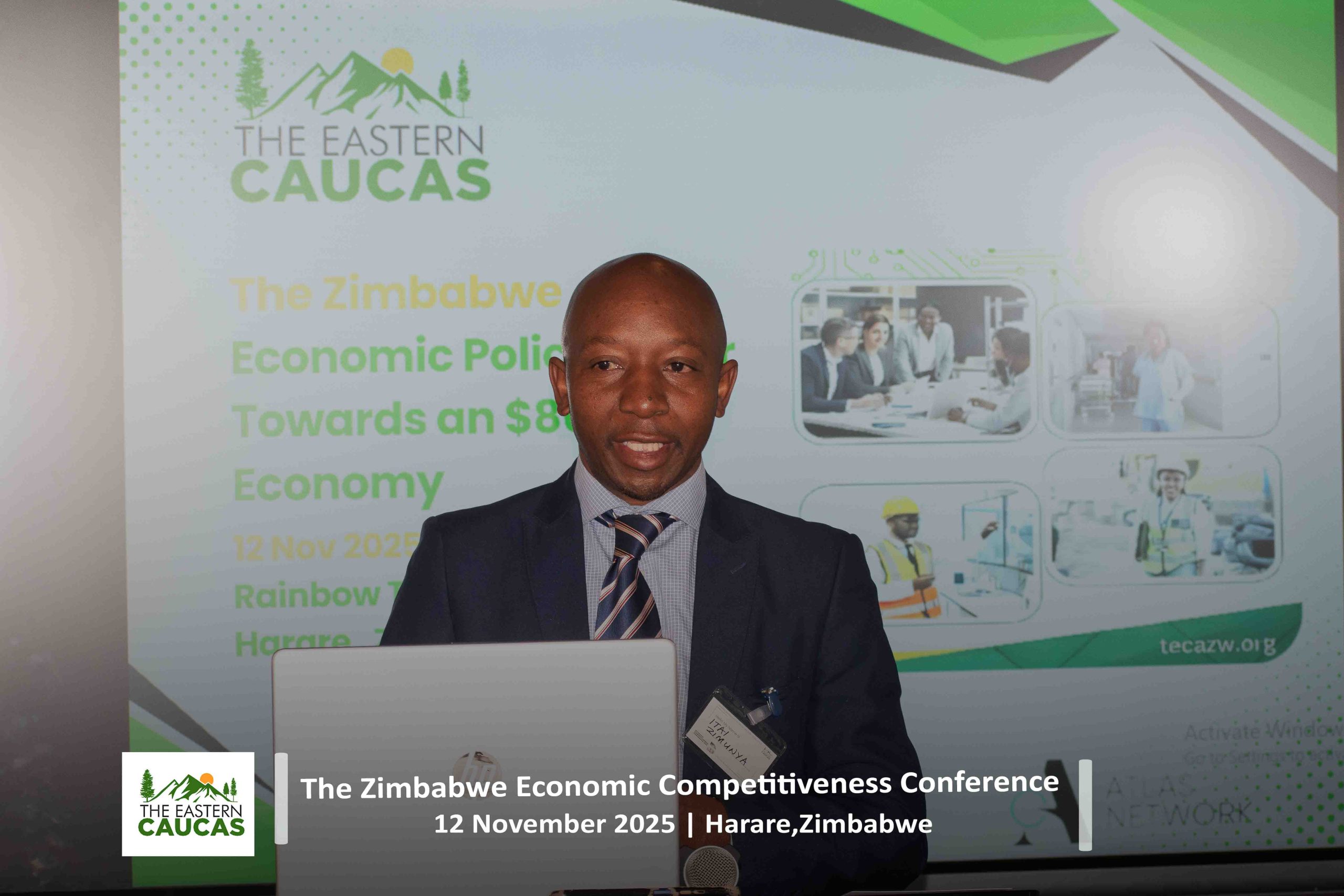
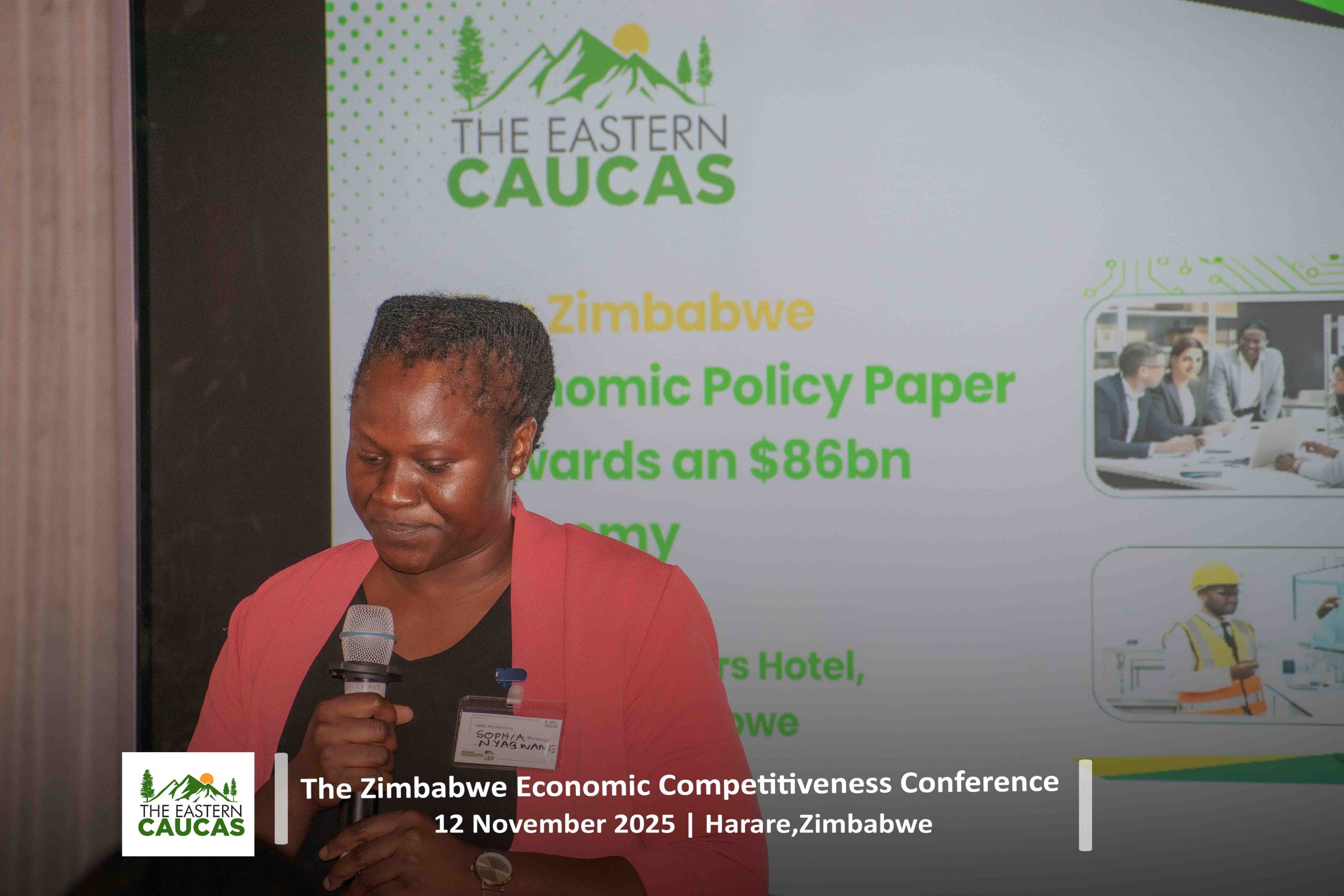
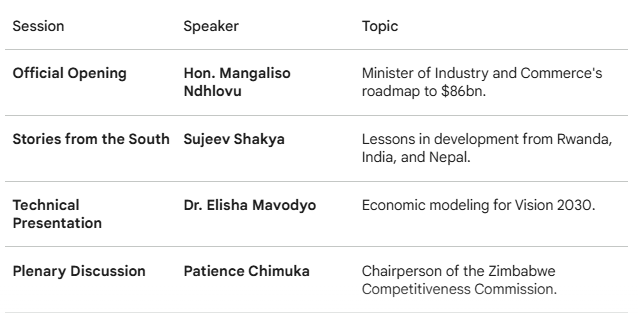
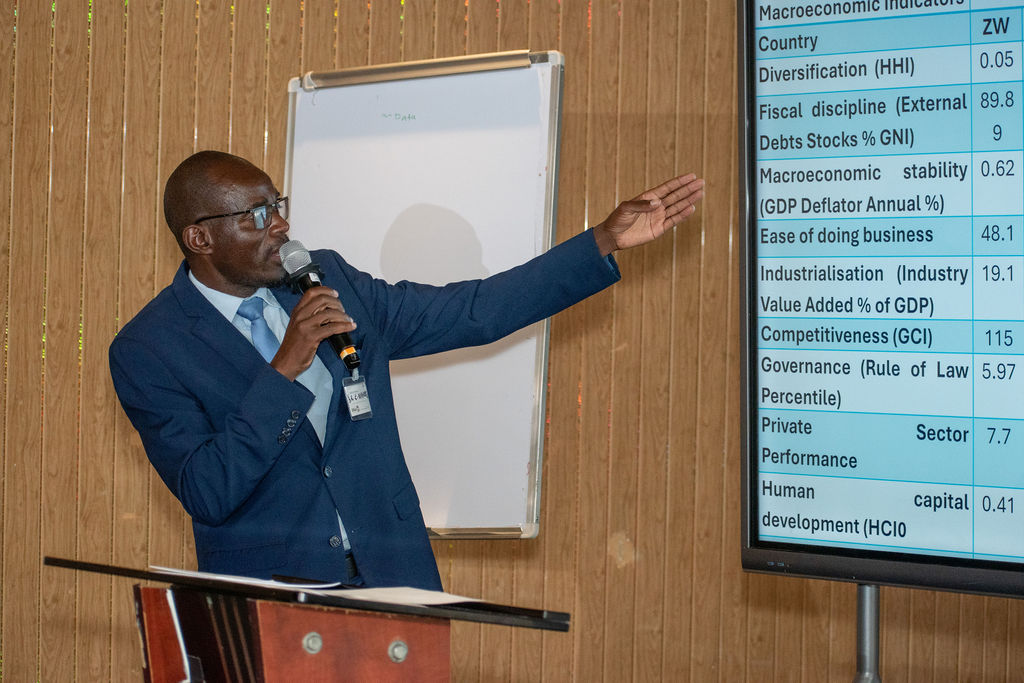
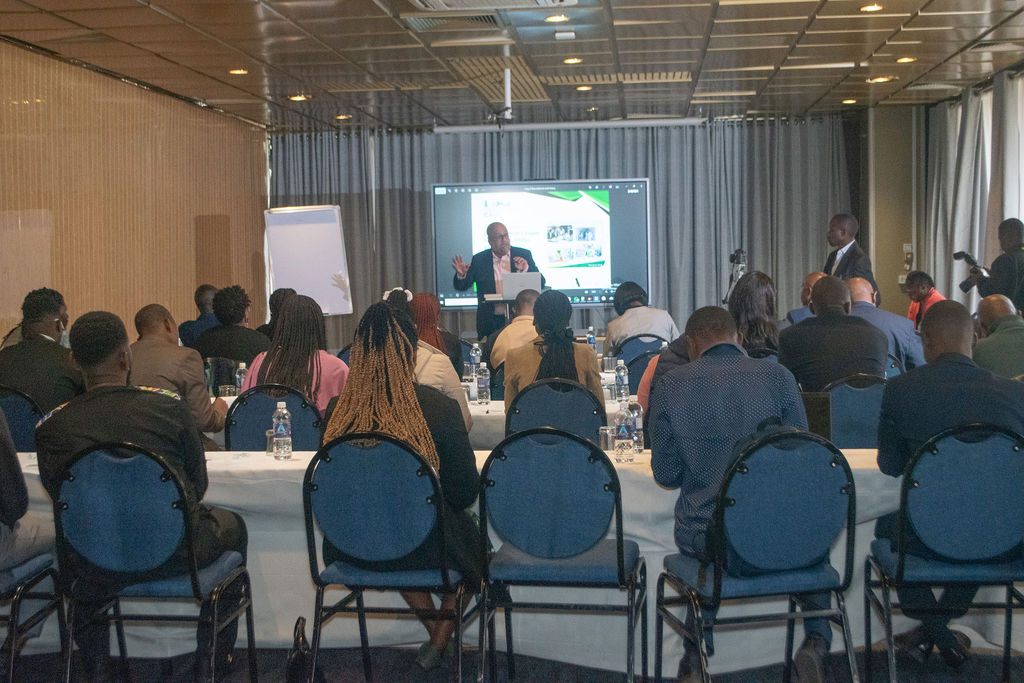
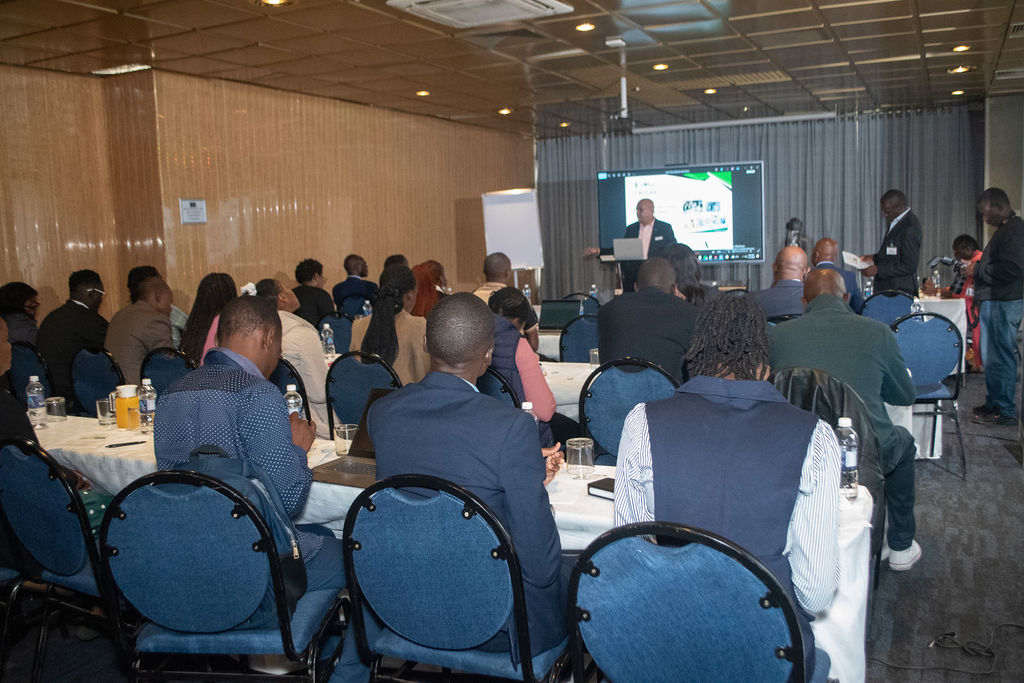
The Zimbabwe Economic Competitiveness Conference brought together global and local experts to discuss implementation strategies.
Implementation Matrix (2025–2030)
A coordinated effort across multiple government and private sectors is required:
-
Financial Stability: MOFEDIP & Reserve Bank (Price and Currency Stability).
-
Industrialization: Ministry of Industry & Commerce (Export-led growth).
-
Monitoring: ZIMSTATS (Annual GNI growth tracking).
Conclusion
While the challenge is significant, the foundational capacity—rich natural resources and an entrepreneurial population—exists. Success depends on a bold shift in laws, policies, and cultures to ease the cost of doing business and maintain a double-digit growth trajectory.