
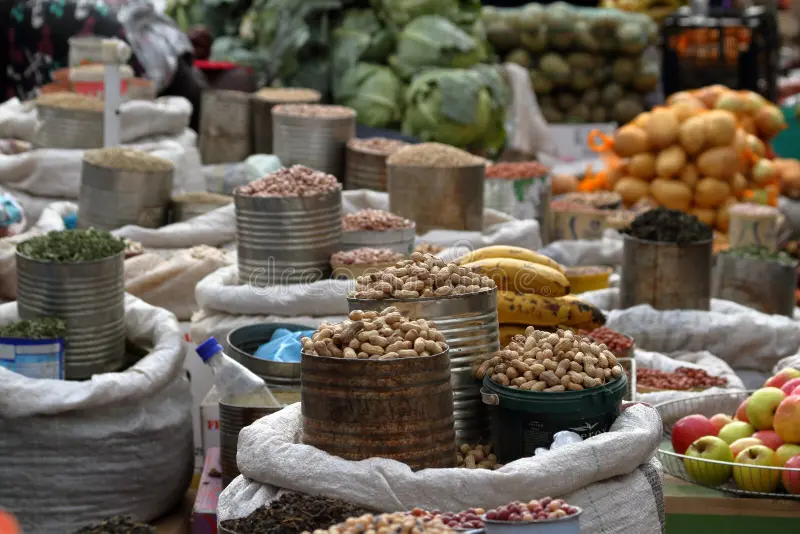
Agriculture remains a backbone of Zimbabwe’s economy, contributing around 15% of the country’s GDP and employing more than 70% of the population. Being a cornerstone of Zimbabwe’s economy that is facing numerous challenges over the years, this article seek to analyze the role that open markets might play in boosting agricultural productivity.
An open market is a type of economic system where goods and services are traded with minimal restrictions or regulations, allowing free competition between buyers and sellers. Implementing open market policies could potentially revitalize Zimbabwe’s agricultural sector, leading to increased productivity, economic growth, and improved livelihoods as well as food security for the nation. Here is an analysis of how open markets could boost agriculture in Zimbabwe:
One of the key components of open markets is price liberalization (OECD 2022). Allowing prices to be determined by supply and demand rather than government controls can yield several benefits such as when farmers sell their produce at market-determined prices and they have a greater chance to make profit and increase their production through ploughing back the profits. Market prices provide signals about which crops are in high demand thereby guiding farmers to allocate their resources more efficiently. Eliminating price controls can reduce the incentive for black market trading, bringing more economic activity into the formal sector.
Another merit of having an open market in Zimbabwe is that it creates trade liberalization which opens up Zimbabwe’s agricultural markets to international trade which could have significant positive impacts. Farmers gain access to larger markets and increase their income and increased production. Zimbabwe could focus on producing crops where it has a comparative advantage, therefore maximizing efficiency and returns. Increased interaction with international markets could facilitate the transfer of advanced agricultural technologies and practices (SuperMoney 2021).
Open markets minimize direct government intervention in agricultural markets and could lead to several improvements like removing/reducing subsidies and other market distortions which will lead to more efficient allocation of resources. Reducing agricultural subsidies could free up government resources for investment in rural infrastructure, research, and extension services as well as attracting private investment in agriculture which will bring more capital investment and expertise (SuperMoney 2021).
Securing land tenure rights is crucial for the success of open agricultural markets and farmers with secure land rights are more likely to invest in long-term improvements to their land. Clear land ownership can serve as collateral, improving farmers’ access to credit for investments. Open markets require supporting infrastructure to function effectively. This need will lead to improved roads and transportation systems which therefore reduce costs for farmers and improved access to markets. Better storage infrastructure and value chains can reduce post-harvest losses and allow farmers to sell when prices are most favorable (Irwin, 2009).
A more open financial sector could support agricultural growth through improved access to loans and other financial services that can help farmers invest in inputs and technologies. The development of agricultural insurance markets can help farmers manage weather and price risks. Investment in research can help develop higher-yielding, more resilient crop varieties suited to Zimbabwe’s conditions and effective extension services can help farmers adopt new technologies and practices, improving productivity (Aksoy and Beghin, 2005).
Open markets offer many potential benefits but there are also challenges to consider. The shift to open markets may involve a difficult adjustment period for some farmers and sectors and there is a risk that the benefits of open markets might be seen only to established farmers. Market incentives must also be balanced with environmental protection measures that ensure sustainable agricultural practices as well as addressing sustainable development goals (FAO 2021).
In conclusion, implementing open market policies could potentially transform Zimbabwe’s agricultural sector, leading to increased productivity, economic growth, and improved livelihoods for farmers. However, the process would need to be managed carefully, with appropriate supporting policies and institutions to ensure that the benefits are broadly shared and sustainable. The success of such reforms would depend on their specific design and implementation, taking into account Zimbabwe’s unique economic, social, and environmental context.
REFERENCES
1. FAO. (2021). The State of Agricultural Commodity Markets 2020: Agricultural Markets and Sustainable Development. Food and Agriculture Organization of the United Nations. (https://www.fao.org/publications).
2. Aksoy, M. A., & Beghin, J. C. (2005). Global Agricultural Trade and Developing Countries. World Bank Publications.
3. OECD. (2022). Agriculture and Trade Policy in Developing Economies. OECD iLibrary. (https://www.oecd-ilibrary.org/agriculture).
4. SuperMoney. (2021). Open Markets: Principles, Examples, and Economic Impact. (https://www.supermoney.com).
5. Irwin, D. A. (2009). Free Trade Under Fire. Princeton University Press.
By Tavaka Zinduwa, a TECa fellow with an interest in climate and agriculture
