
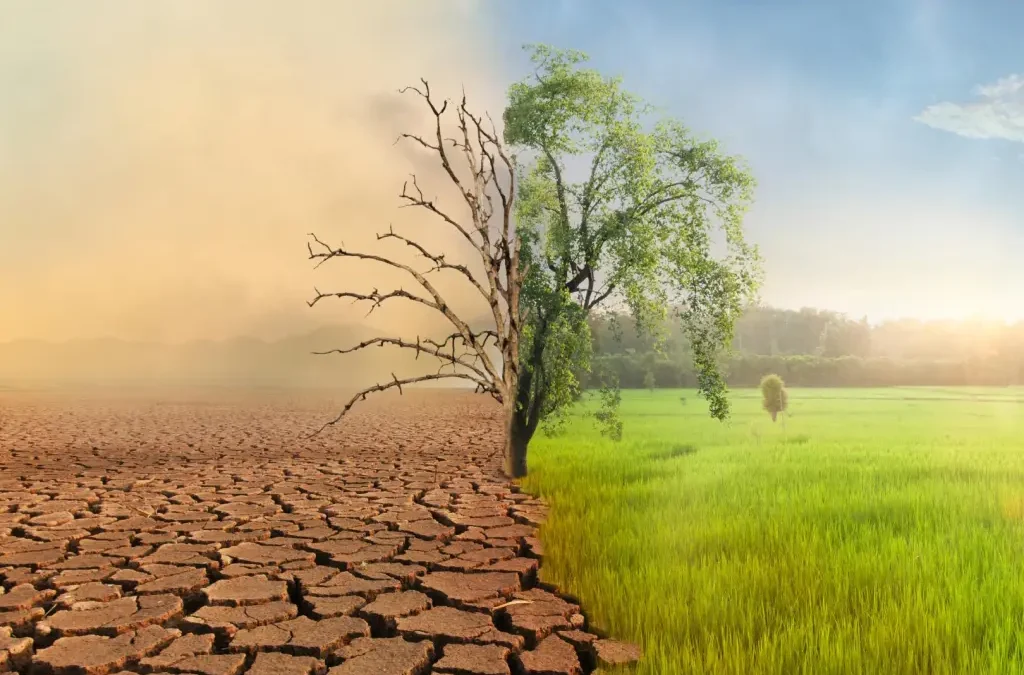
In recent years, climate change has emerged as one of the greatest challenges facing humanity. While its impacts are felt globally, it is particularly menacing for the agricultural sector in Africa. As the backbone of many African economies, agriculture provides employment for millions and serves as the primary source of food security. However, the changing climate has caused unprecedented disruptions, leading to devastating consequences for farmers and their communities across the continent.
One of the most visible effects of climate change on agriculture in Africa is the alteration in rainfall patterns. A decrease in overall precipitation and an increase in the frequency and intensity of droughts have become all too common. This has resulted in prolonged periods of water scarcity, making it increasingly difficult for farmers to sustain their crops and livestock. Without adequate rain, crops fail to grow, and animals suffer from malnutrition, significantly impacting agricultural productivity and food production.
Temperatures in Africa are also on the rise due to climate change. This rise in temperature intensifies the occurrence of extreme heatwaves, posing a significant threat to the agricultural sector. Higher temperatures accelerate evaporation rates, leading to increased water loss from soils and plants. This exacerbates the water scarcity issue and creates a vicious cycle of declining agricultural output. It is not only the plants that suffer; livestock, such as cattle and poultry, struggle to withstand extreme heat, reducing their productivity and overall health.
The changing climate has also made African agriculture vulnerable to the emergence and spread of pests and diseases. Rising temperatures and altered rainfall patterns create favorable conditions for pests to thrive. Insect pests, such as locusts and fall armyworms, have become major threats to crop production. These pests can quickly destroy entire fields, leaving farmers grappling with immense losses. Similarly, changes in temperature and humidity contribute to the spread of plant diseases, further compounding the challenges faced by African farmers.
With climate change, extreme weather events have become more frequent, leading to an increase in the occurrence of floods and storms. These events have severe consequences for agriculture in Africa. Floods, for instance, can destroy crops, wash away topsoil, and contaminate water sources. The aftermath of floods leaves farmers struggling to recover and rebuild their livelihoods. Furthermore, storms can cause physical damage to agricultural infrastructure, such as irrigation systems and storage facilities, making it even more challenging for farmers to sustain their operations.
The impacts of climate change on agriculture in Africa are not limited to crop production alone. It has significant ramifications for food security, rural livelihoods, and the overall socio-economic stability of the continent. As crops fail and livestock perish, communities are forced into food insecurity and poverty. Reliance on agricultural income plummets, leading to increased migration and economic inequalities. The consequences of climate change in agriculture reverberate through the entire African society.
Addressing the challenges posed by climate change is crucial to safeguarding African agriculture and ensuring food security. This requires a multi-faceted approach, including implementing climate-smart agricultural practices, promoting sustainable land and water management, and investing in renewable energy sources. Enhancing farmers’ access to modern technologies and climate-resilient seeds, as well as providing insurance and financial support systems, can also help mitigate the impacts of climate change on agriculture.
In response, urgent and concerted actions are required to build resilience and adapt to the changing climate, ensuring the sustainability and prosperity of African agriculture for generations to come. The Eastern Caucus (TECa), a small organization in Manicaland is contributing to this fight through working with communities to green rivers, protect wetlands, use information and data for planning purposes as well as growing small grains to protect household food securities.
Pagel Mutize is a social development student with TECA in Mutare. Email: tecamutare@gmail.com
