
By Vivid Gwede.
Is the government listening to Zimbabweans’ calls for lowering taxes? Despite an increasing public outcry over high taxes, it appears the government is determined to squeeze more revenue from the populace.
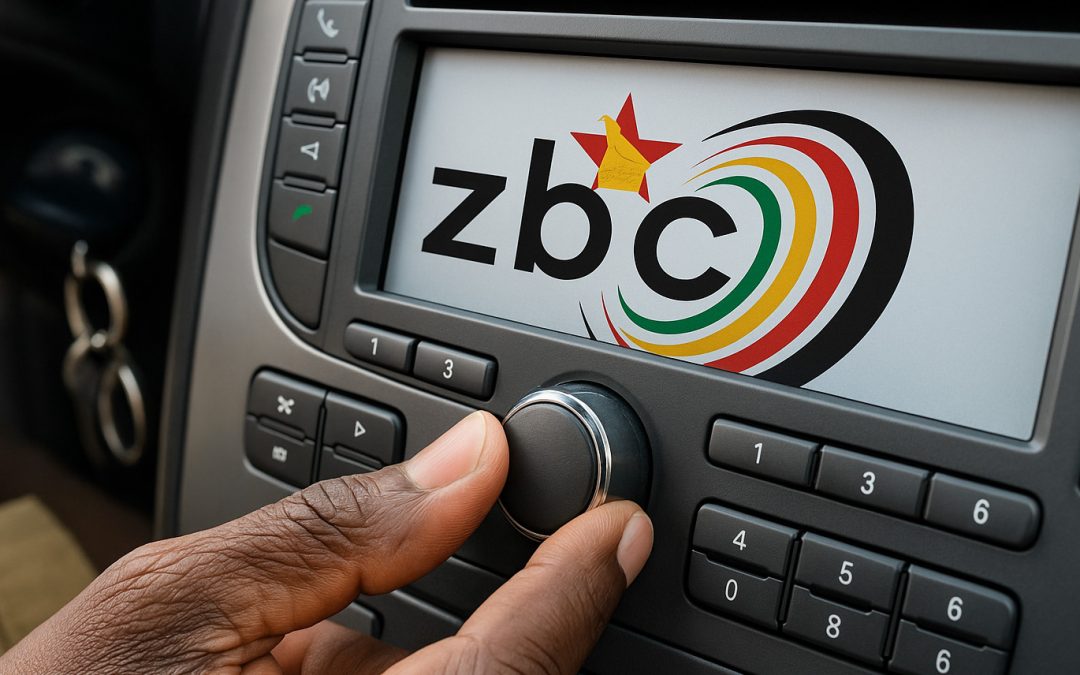
Compounding Zimbabwe’s tax burden, the government has passed a law introducing mandatory car radio licence fees to be paid before getting quarterly motor vehicle insurance.
With the rising taxes, Zimbabwe’s per capita income – measuring what an average citizen earns – is around USD 2,118 per year or USD 176 per month according to the World Bank, but many earn far below the figure.
The car radio tax announced as part of the Broadcasting Services Amendment Act and to be paid to the state broadcaster, Zimbabwe Broadcasting Corporation (ZBC) will cost motorists USD 92 per year.
For those with company cars, the fee costs about USD 200 per year.
This follows the introduction of Statutory Instrument (SI) 50 of 2025 hiking diesel and petrol prices by 19.3% and 27.2 % respectively.
Part of these new costs to motorists will be transferred to ordinary commuters.
The car radio law violates the user pays principle as many Zimbabweans do not listen to state radio due to complaints over ZBC’s partisan editorial policy.
Apart from the mandatory nature of the tax, citizens have been complaining about Zimbabwe’s increasing information-related taxes compared with other countries in the region.
Zimbabwe’s television licence is the highest in Southern Africa at USD100 with the second highest being South Africa at USD 14 and the lowest being Malawi at USD 6.
Citizens have raised concerns about the quality of programming by the public broadcaster, ZBC, compared with other public broadcasters like the South African Broadcasting Corporation (SABC).
Zimbabweans are concerned that ZBC’s lack of impartiality makes the taxes subside the ruling party Zanu-PF’s information.
While the money is levied on a receiver, including for listeners who listen to other radio stations, without being equitably shared or used to develop the information industry, the tax revenue gives the state broadcaster an unfair advantage crowding out the few private players.
Responding to the new developments, Zimbabweans have also suggested that the state broadcaster, instead of raising receiver licences or taxes, should raise most of its money on a subscription basis.
This is directly linked to realised value for money by listeners.
With the broadcaster given the responsibility for making exemptions, citizens fear that these exemptions could be used to benefit politically connected people.
The car radio licence follows what have become in recent months routine announcements of new taxes for a struggling populace.
Given the compounding effects of high taxes on Zimbabweans’ disposable income, ZITAP reiterates calls for tax reform and lowering of the burden on ordinary people.