
By Nyasha Freeman Musikambesa
Foreword: This Contextual integration highlights Zimbabwe’s challenges and opportunities, while positioning The Eastern Caucas as a catalyst for Free market -driven, locally rooted solutions. This piece maintains the original’s urgency, emphasizing self-reliance and structural reform to ease the doing of business.
Introduction
The old models of development are fraying. For Zimbabwe, decades of political instability, internal economic interventions and reliance on volatile commodity markets have left the economy in a cycle of hyperinflation, unemployment, and infrastructural decay. While global partnerships once offered hope, many traditional allies are retreating: Aid is shrinking, debt is unsustainable, this moment of crisis, however, presents a historic opportunity: to reimagine Zimbabwe’s future through a bold, home-grown Free market agenda for growth, supported by Think Tanks such as The Eastern Caucas, which are reshaping economic thought locally.
An Economic contract with Zimbabwe
What’s needed is not another foreign-prescribed austerity plan, but a Free market contract with Zimbabwe, a visionary pact crafted by Zimbabwean liberal minds, for Zimbabwean prosperity. This contract must prioritize property ownership, innovation, and equity. At its core, it demands that Zimbabwean government, civil society, and think tanks like The Eastern Caucas collaborate to drive sustainable development. The Eastern Caucas, a leading economic Think Tank, has already laid groundwork through research on the ease of doing business, reforming agricultural value chains, and leveraging Zimbabwe’s mineral wealth from lithium to platinum beyond raw extraction. TECa’s Free market driven models emphasize local agency, urging policymakers to empower the Zimbabwe Development Agency –ZIDA as the investment vehicle of choice, enhance diaspora remittances through lowering transfer costs, and promote public-private partnerships into infrastructure, energy, and SMEs to ensure that more entrepreneurs’ find operating space in the mainstream economy.
From Extraction to Empowerment
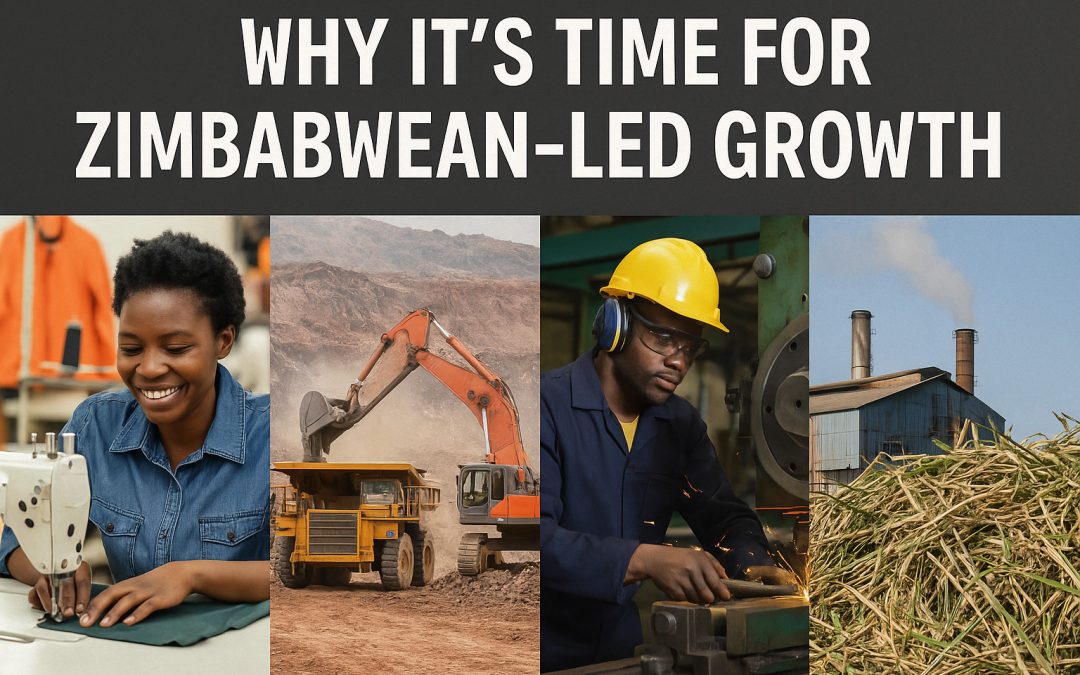
Zimbabwe’s economy remains shackled by post-cold war patterns of resource extraction. The contract must pivot toward Free market driven value addition: agro-processing for tobacco and cotton, battery production for lithium, and nurturing the creative industries. Here, Think Tanks play a critical role. The Eastern Caucas, for instance, advocates for Zimbabwe for a freer economy which effectively contributes to the prosperity of its people and help prop up the African Continental Free Trade Area (AfCFTA), ensuring global partnerships uplifts those on the edge of poverty and prioritize entrepreneurial growth.
Accountability as Foundation
Transparency is non-negotiable. Zimbabwe’s legacy of corruption and mismanagement has eroded public trust. The economic contract must integrate mechanisms like real-time budget tracking, independent audits, and digital IDs to ensure resources reach classrooms, clinics, and roads. The Eastern Caucas has pioneered anti-graft frameworks, proposing blockchain solutions for land titling and property rights. Simultaneously, diaspora engagement is key. Zimbabwe’s 4-million-strong diaspora sends over $1.5 billion annually in remittances a lifeline that could transform into investments with the promotion of ease of sending remittances at favourable rates.
Conclusion: Let’s reimagine the Future in Harare
Zimbabwe’s path to prosperity lies not in borrowed blueprints but in a home-grown Free market endorsing contract that harnesses local expertise, Think Tank insights, and the diaspora’s ingenuity. By uniting citizens, leaders, and innovators, Zimbabwe can turn its crises into Prosperity catalysts, proving that African-led growth is not just possible but inevitable.